Trump Threatens New 'Obnoxious' Tariffs After Supreme Court Ruling
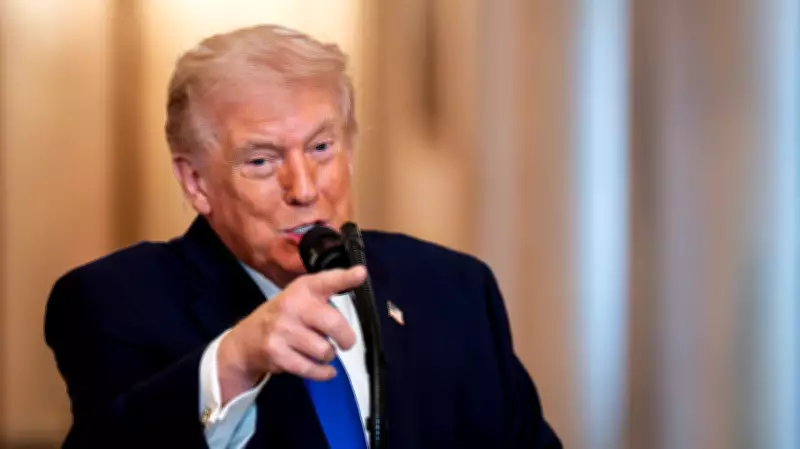
Former President Donald Trump has suggested he could impose new "obnoxious" tariffs in response to a recent U.S. Supreme Court ruling that declared his sweeping emergency tariffs illegal. The decision, issued on Friday, overturned a key part of Trump's controversial economic agenda, leading to immediate retaliation from the former president.
Executive Action and Social Media Escalation
In a swift move, Trump signed an executive order on Friday night, asserting he could bypass Congress to impose a 10% tax on global imports. Just one day later, he escalated the situation by posting on Truth Social, announcing he was raising the global tariff to 15% "effective immediately." This action was based on Section 122 of the Trade Act of 1974, which allows for a maximum tariff of 15% but limits its duration to 150 days without congressional authorization.
Defiance of Court Ruling
In a follow-up Truth Social post on Monday, Trump indicated he could use various measures and tools to maintain tariffs despite the Supreme Court's ruling. He wrote, "The court has also approved all other Tariffs, of which there are many, and they can all be used in a much more powerful and obnoxious way, with legal certainty, than the Tariffs as initially used." Trump claims he retains control over trade policy and does not need to seek congressional approval for tariffs, stating, "It has already been gotten, in many forms, a long time ago! They were also just reaffirmed by the ridiculous and poorly crafted supreme court decision!"

Administration Response and Broader Implications
This series of posts came after Jamieson Greer, a trade negotiator from the Trump administration, appeared on ABC's "This Week" on Sunday, asserting that U.S. tariff policy "hasn't changed" despite the court ruling. The situation highlights ongoing tensions between executive authority and judicial oversight in trade matters, with potential implications for global economic stability and domestic political discourse.