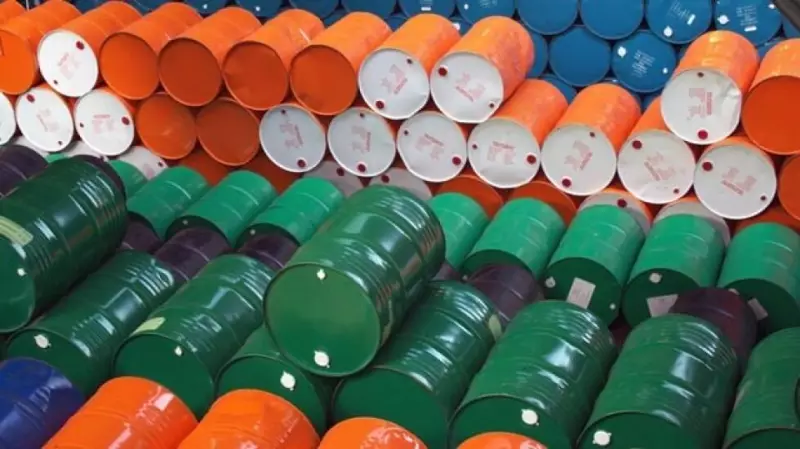
Former U.S. President Donald Trump has issued a stark warning to India, threatening to impose significantly higher tariffs on the country if he returns to the White House. The warning is directly linked to India's continued purchases of Russian oil, a practice that has drawn criticism from Western nations following Russia's invasion of Ukraine.
The Core of Trump's Warning
In a recent interview, Trump explicitly stated that his administration would be "looking at" tariffs against India. He argued that India's substantial purchases of Russian crude oil are detrimental to the efforts of the United States and its allies to economically isolate Russia. Trump emphasized that such actions by India would not be tolerated under his potential future presidency.
The former president's comments highlight a potential major shift in U.S. trade policy towards one of its key strategic partners in Asia. India, the world's third-largest oil importer, has dramatically increased its intake of discounted Russian oil since the onset of the war in Ukraine. This has provided a crucial financial lifeline to Moscow while saving India billions in energy import costs.

India's Strategic Dilemma and Global Reactions
India has defended its energy purchases as a necessary step to secure affordable resources for its vast population and growing economy. The Indian government has maintained that it must prioritize its own energy security and economic stability. However, this stance has created friction with Western allies who are enforcing a price cap and seeking to limit Russia's oil revenue.
Trump's threat raises the specter of a significant trade dispute between the two nations. Analysts note that imposing tariffs could destabilize the broader U.S.-India strategic partnership, which has been strengthened in recent years as a counterbalance to China's influence in the Indo-Pacific region. The warning also underscores Trump's continued adherence to an "America First" trade policy, where he is willing to leverage tariffs as a primary tool to compel foreign policy compliance.
Implications for Global Trade and Canada
This development carries wider implications for the global energy market and international trade dynamics. A U.S. move to penalize India could force New Delhi to seek even closer energy ties with Moscow or pivot to other suppliers, potentially tightening global oil supplies and affecting prices worldwide.
From a Canadian perspective, this situation is being watched closely. While Canada is a major energy producer and exporter, its oil trade with India is limited. However, Canada has been a steadfast participant in the international sanctions regime against Russia. The potential for escalating trade tensions between major powers like the U.S. and India introduces new volatility into the global economic system, which can impact open trading nations like Canada. It also serves as a reminder of how energy politics and foreign policy are increasingly intertwined in today's geopolitical landscape.
The final outcome hinges on the result of the upcoming U.S. presidential election. If Trump wins, his threat could become a pressing reality, forcing India into a difficult choice between its economic interests and its diplomatic relations with the West.