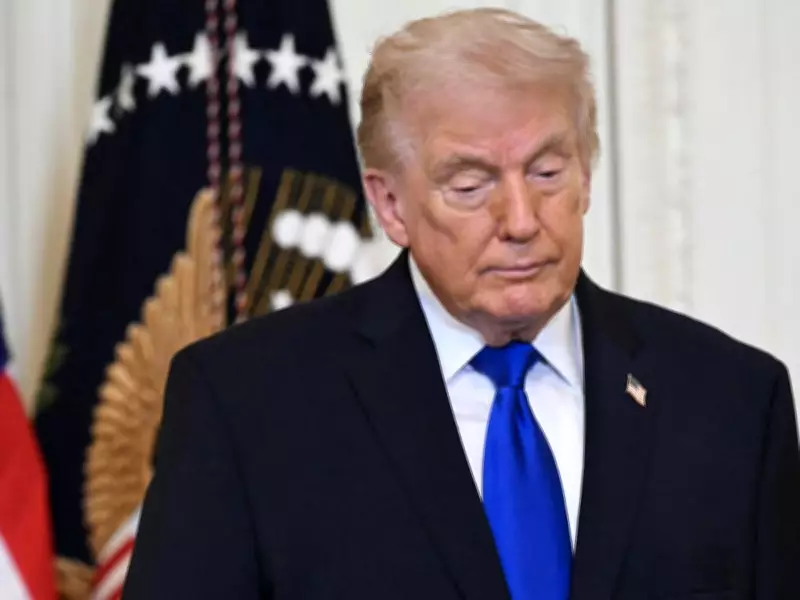
Trump's 10% Global Tariffs Take Effect as U.S. Rebuilds Trade Barriers
President Donald Trump's new 10 percent global import tariffs officially went into effect on Tuesday, launching a White House initiative to preserve the president's trade agenda after the U.S. Supreme Court struck down his original sweeping duties. The move represents a significant shift in American trade policy as the administration works to reconstruct tariff walls that were effectively dismantled by judicial intervention.
Executive Action Following Court Ruling
The president signed an executive order last Friday authorizing the 10 percent import tax just hours after the Supreme Court ruling. Trump subsequently threatened to raise the tariff rate to 15 percent, but by Tuesday at 12:01 a.m. Washington time when the levy took effect, no official directive had been issued to implement the higher rate. The White House is reportedly working on a formal order that would increase the global tariff rate to 15 percent, though the timeline for implementing that higher levy has not been finalized according to administration officials speaking on condition of anonymity.
Global Confusion and Trade Disruption
The lack of clarity from Washington has spawned significant confusion around the globe regarding Trump's tariff agenda. Countries and corporations worldwide are now poring over existing trade agreements to determine how they would fare under Trump's latest threats. Major trading partners, including the European Union and India, have abruptly halted ongoing trade negotiations amid the uncertainty created by the shifting American trade landscape.

Legal Basis and Exemptions
Trump is applying the 10 percent baseline levy under Section 122 of the 1974 Trade Act, which allows the president to impose the charge for 150 days without congressional approval. He turned to this approach after the court ruled he violated an emergency-powers law by using it to enact his so-called "reciprocal" tariffs on goods from countries worldwide. The order preserved some exemptions, including for goods compliant with the North American trade pact between the U.S., Canada and Mexico as well as an exception for some agricultural goods that existed under Trump's invalidated levies.
Economic Impact and Future Plans
The average effective U.S. tariff rate will settle around 10.2 percent including those exemptions, down from 13.6 percent before the court decision according to economic analysis. Under a 15 percent global levy, that effective rate would be about 12 percent. Trump's team has emphasized that tariffs will remain central to his trade policy, with plans to launch a series of investigations on accelerated timelines that allow him to unilaterally impose duties. The administration is preparing to launch investigations into the impact of importing various industrial goods including batteries, cast iron and iron fittings, electrical grid and telecom equipment, plastic piping and some chemicals on the basis of national security concerns.
None of the authorities the White House has identified—such as Section 301 and Section 232—are as flexible as the emergency powers Trump had previously used to wield leverage against trading partners. This represents a strategic shift as the administration works to rebuild the tariff regime that the court ruling effectively destroyed while navigating the limitations of alternative legal authorities.