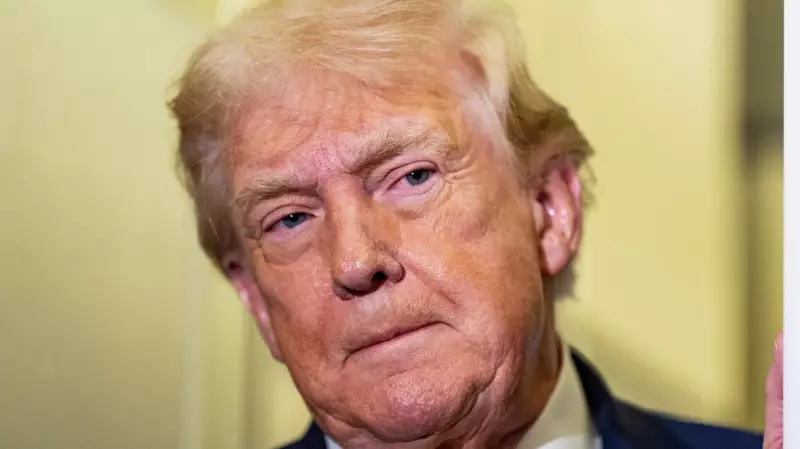
Former U.S. President Donald Trump adopted a new, self-proclaimed title this week, declaring himself "Mr. Tariff" in a social media post that sparked a wave of criticism and debate.
The 'Mr. Tariff' Announcement and White House Backing
On Tuesday, Trump took to his Truth Social platform to celebrate recent stock market performance, boasting that "The USA markets just hit another ALL TIME HIGH — ALL OF THEM!!!" He directly attributed this success to his contentious trade strategy, signing off with "THANK YOU YOU MISTER TARIFF!!!"
The branding effort was quickly amplified by his campaign. Later that same day, the official Trump War Room account on X, formerly known as Twitter, shared a post depicting a stylized, Mr. Clean-like figure representing Trump, with the caption "THANK YOU, MR. TARIFF!" and the tagline "There’s no trade like Mr. Tariff."

Online Backlash and Economic Concerns
The posts ignited immediate backlash across social media platforms. Detractors were quick to label the nickname and imagery as profoundly "cringe." Many critics shifted focus to ongoing economic pressures, pointing out that the high cost of living continues to burden American households.
Accusations flew that Trump's policies have made life "more difficult and unaffordable for all Americans except the rich," with some users lamenting that the country appeared to be "governed by children." This sentiment highlights a deep political divide over the legacy and future of his economic agenda.
Economists Weigh In on Tariff Impacts
The economic community has long been wary of the potential consequences of sweeping tariffs. Initially, many economists feared such measures would rattle financial markets, drive up consumer prices, and slow overall economic growth.
As Trump's administration rolled back some tariffs and granted key exemptions during his term, the most severe predicted outcomes did not fully materialize in the short term. However, a lingering concern persists among analysts. Some warn that the full, damaging impact of these trade policies may still be felt later, potentially in 2026, as longer-term effects on supply chains and global trade relationships take hold.
The debate over "Mr. Tariff" underscores a fundamental conflict in economic theory: the balance between protectionist policies aimed at domestic industry and the risks of triggering inflation and trade wars that could ultimately harm the very consumers they purport to help.