U.S. Supreme Court Declares Trump's Tariffs Unlawful, Sparking Trade Implications for Canada
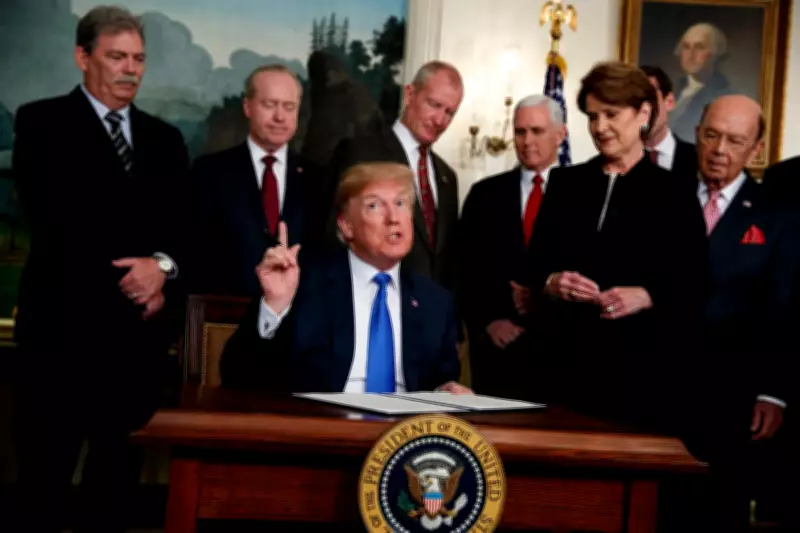
The United States Supreme Court has delivered a landmark ruling, finding that tariffs implemented by former President Donald Trump under the International Emergency Economic Powers Act (IEEPA) are unlawful. This decision, announced on February 20, 2026, directly rejects the global tariff framework established during Trump's administration and carries significant repercussions for international trade partners, including Canada.
Legal and Political Ramifications of the Ruling
Legal experts have described the Supreme Court's judgment as a pivotal moment that could "neuter the president" in terms of executive power over trade policy. By deeming the use of IEEPA for imposing tariffs illegal, the court has set a precedent that limits presidential authority in declaring national emergencies for economic measures. This ruling challenges the foundation of Trump's trade strategy, which often relied on such declarations to justify tariffs on goods from various countries, impacting global supply chains and diplomatic relations.
Impact on Canadian Businesses and Economy
For Canada, a key trading partner with the United States, this decision brings both relief and complexity. Canadian businesses that were subjected to these tariffs may now be eligible for refunds, though experts caution that the process could be lengthy. The ruling is celebrated by many in the business community as a victory against protectionist policies, potentially easing trade tensions and fostering a more predictable economic environment. However, it also raises questions about future trade negotiations and the stability of cross-border commerce, as the legal landscape shifts.

Broader Context and Future Outlook
This development occurs amid other significant events, such as Canada naming a new chief public health officer and ongoing discussions about a potential trade deal with India. The Supreme Court's action underscores the interconnected nature of global politics and economics, where judicial decisions in one nation can ripple across borders. As Canada navigates these changes, stakeholders will closely monitor how the U.S. government responds and whether this ruling leads to revised trade policies or legislative actions to address presidential powers in economic emergencies.