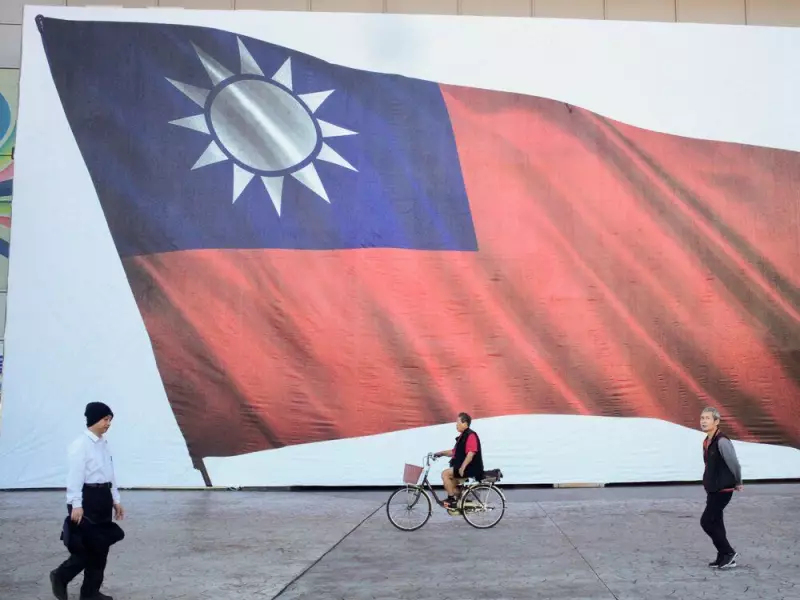
The administration of former U.S. President Donald Trump is reportedly on the verge of concluding a significant trade agreement with Taiwan, a key Asian partner, according to sources familiar with the ongoing negotiations.
Final Stages of Negotiations
Insiders indicate that Washington and Taipei have entered the final phase of talks, which have been ongoing for several months. A person with knowledge of the matter, who requested anonymity, confirmed the advanced stage but did not disclose specific terms. This potential deal aims to improve trade terms between the two entities.
A framework, which could be announced as early as January 2024, would see the United States reduce tariffs on imports from the self-governing island. Reports from the New York Times suggest the tariff rate could drop to 15 per cent from the current 20 per cent, aligning it more closely with rates applied to neighbours like Japan and South Korea.

TSMC's Major U.S. Investment Pledge
Central to the agreement is a substantial commitment from Taiwan Semiconductor Manufacturing Co. (TSMC), the world's leading producer of advanced semiconductors. In exchange for tariff relief, TSMC would pledge to build five new chip fabrication plants in Arizona.
This commitment would dramatically expand the company's U.S. manufacturing footprint, roughly doubling its planned presence in the state. It adds to existing, ambitious plans for up to US$165 billion in U.S. investment by the chipmaker, which includes an earlier promise to construct six factories and two advanced packaging facilities in Arizona.
Potential Benefits and Lingering Uncertainties
For the Taiwanese government, a signed pact would secure more favourable access to the U.S. market. For the Trump team, it would represent another tangible win for its "America First" trade policy, allowing the former president to tout a major foreign investment pledge in a critical industry.
However, significant uncertainties cloud the deal's future. A looming Supreme Court ruling, expected as soon as the following Wednesday, could overturn the legal basis for Trump's global tariffs. Such a decision would strip the administration of a primary negotiating tool used to secure concessions like the TSMC investment.
Furthermore, even if finalized, questions remain about the timeline and feasibility of TSMC's promised manufacturing expansion. The deal follows a pattern of agreements negotiated by the Trump administration with major economies like Japan, South Korea, and the European Union, where tariff reductions were exchanged for investment promises in strategic sectors such as electronics and critical minerals.
The White House, the Office of the U.S. Trade Representative, and the Commerce Department did not immediately provide comment on the reports. The outcome of these negotiations is being closely watched by global trade observers and the semiconductor industry.