U.S. Supreme Court Tariff Ruling Delivers Ambiguous Victory for Canadian Enterprises
The recent decision by the United States Supreme Court to strike down the controversial global tariffs implemented during the Trump administration has been met with cautious analysis by trade experts and industry leaders across Canada. While the ruling provides a significant legal precedent against unilateral trade measures, it does not translate into an immediate or straightforward benefit for Canadian businesses entangled in the complex web of international commerce.
Legal Clarity Amidst Operational Complexities
On February 20, 2026, the Supreme Court declared the application of these tariffs as unlawful, offering a judicial rebuke to protectionist policies that have disrupted North American supply chains for years. This decision is seen as a pivotal moment in trade law, reinforcing the necessity for executive actions to align with established legislative frameworks. However, the path forward for Canadian companies seeking restitution is fraught with procedural hurdles and administrative delays.
Experts emphasize that the celebration over the legal victory must be tempered with practical realities. The process for businesses to reclaim tariffs already paid is expected to be lengthy and bureaucratic, requiring extensive documentation and legal navigation. Many small and medium-sized enterprises may find the cost of pursuing refunds prohibitive, potentially offsetting any financial gains from the court's decision.

Persistent Trade Uncertainties and Border Dynamics
The ruling does not eliminate the underlying tensions in U.S.-Canada trade relations. Observers note that the political landscape remains volatile, with future administrations possibly exploring alternative mechanisms to impose trade restrictions. This uncertainty complicates long-term planning for Canadian exporters and importers who rely on stable cross-border agreements.
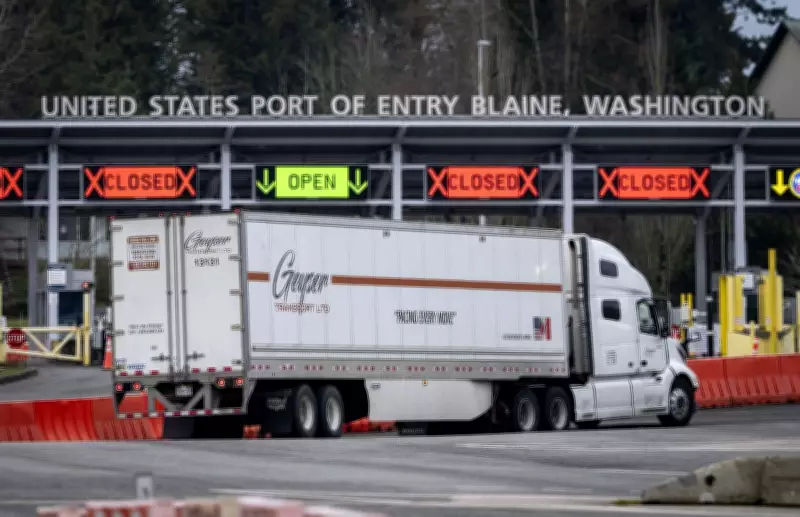
Scenes at key border points, such as the passenger entry in Surrey, British Columbia, continue to symbolize the intricate dance of commerce between the two nations. Trucks carrying goods face ongoing scrutiny, and while the tariff burden may lessen, regulatory compliance and border security measures persist as significant operational challenges.
Broader Economic Implications and Sectoral Impacts
The Supreme Court's action reverberates beyond immediate tariff collections, influencing sectors ranging from manufacturing and agriculture to technology and retail. Canadian businesses that have adapted to the tariff environment through supply chain diversification or cost absorption now face a new phase of adjustment. Some may benefit from reduced input costs, while others could encounter competitive pressures as global market dynamics shift.
Industry analysts advise Canadian firms to:
- Conduct thorough assessments of potential refund eligibility and associated costs.
- Engage with trade legal specialists to navigate the reimbursement process efficiently.
- Monitor political developments in the U.S. that could signal future trade policy directions.
- Strengthen internal compliance protocols to mitigate risks from any subsequent trade measures.
In conclusion, while the Supreme Court ruling marks a legal milestone in curbing executive overreach in trade policy, its practical impact on Canadian businesses is nuanced and layered. The decision offers a framework for challenging unjust tariffs but does not guarantee swift financial relief or an end to trade-related uncertainties. As the commercial landscape evolves, Canadian enterprises must remain vigilant and proactive in their strategic planning to thrive in an increasingly complex international marketplace.