The dawn of 2026 marks a critical juncture for trade and commerce in Canada. The sector, a cornerstone of the national economy, is navigating a period of significant transformation. Understanding these changes is essential for businesses, policymakers, and consumers alike as they adapt to new realities and prepare for future challenges.
The Evolving Face of Canadian Trade Infrastructure
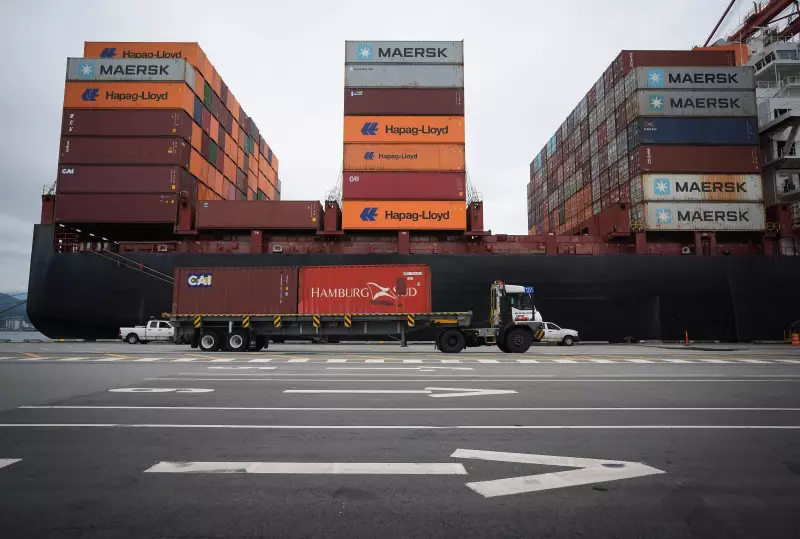
A powerful symbol of this ongoing activity was captured at the Port of Vancouver in August 2025. A transport truck was photographed carrying cargo containers destined for the Hapag-Lloyd container ship Frankfurt Express at the DP World Centerm terminal. This image underscores the continuous flow of goods that defines Canada's role in global supply chains. The efficiency of major ports like Vancouver remains a linchpin for the country's import and export capabilities, directly impacting economic health.
The stakes for maintaining and improving this infrastructure are incredibly high. Any disruption or bottleneck at key logistical hubs can ripple through the economy, affecting everything from consumer goods availability to the competitiveness of Canadian products abroad. As global demand patterns shift and geopolitical tensions influence trade routes, the resilience of Canada's trade corridors is more important than ever.

Broader Economic Context and Interconnected Challenges
The state of trade does not exist in a vacuum. It is deeply intertwined with other national issues highlighted as 2026 commences. For instance, extreme weather events, like the blizzards and cold snaps affecting multiple provinces, can severely disrupt transportation networks, delaying shipments and increasing costs. Similarly, domestic pressures, such as the power outage on a Manitoba First Nation approaching four days, remind us that internal infrastructure stability is crucial for supporting broader economic activities.
On the policy front, new laws coming into effect in Ontario and other regions may introduce fresh regulations affecting business operations, compliance, and cross-provincial trade. Furthermore, economic indicators, such as Wall Street closing 2025 with a banner year, influence investor confidence and capital flow, which in turn affect trade financing and expansion plans for Canadian companies engaged in international markets.
Looking Ahead: Adaptation and Strategic Focus
Moving forward through 2026, the key for Canada will be strategic adaptation. This involves not only investing in physical infrastructure but also in digital systems, cybersecurity for trade data, and skilled labor to manage complex logistics. Trade agreements and diplomatic relations will continue to be scrutinized and potentially renegotiated, impacting market access for Canadian goods from agriculture to advanced technology.
The convergence of climate policy, technological advancement, and global economic realignment means Canada's trade strategy must be agile. Stakeholders must monitor how environmental regulations intersect with export standards and how innovations in green technology can open new export avenues. The ability to reliably move goods—whether through the port of Vancouver, by rail across the prairies, or by truck to the United States—will fundamentally shape Canada's prosperity in 2026 and beyond.
In conclusion, the trade landscape in Canada is at a pivotal point. The foundational elements are actively at work, as seen in our ports, but they operate within a web of environmental, economic, and policy challenges. Navigating this year successfully will require a concerted focus on resilience, innovation, and cooperation across all levels of industry and government.