The integration of artificial intelligence into hiring processes, once hailed as a revolutionary efficiency tool, is now generating widespread frustration across Canada. Both companies implementing the systems and job seekers navigating them are reporting significant challenges, painting a complex picture of technological adoption in the workforce.
The Promise and Reality of Automated Recruitment
AI hiring tools were marketed as a solution to streamline recruitment, reduce human bias, and quickly identify top talent from vast pools of applicants. For businesses, the promise was faster hiring cycles and lower costs. For job seekers, it meant theoretically fairer assessments based on data, not first impressions. However, the reality unfolding across the Canadian employment landscape is far more fraught.
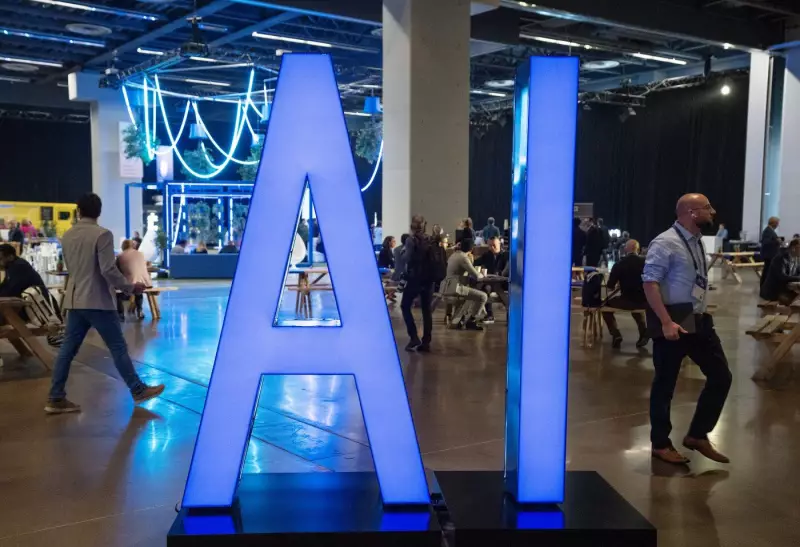
Companies are finding that AI systems often filter out qualified candidates based on rigid keyword matching or poorly calibrated assessments, leading to a shortage of viable applicants for open roles. Meanwhile, job seekers describe dehumanizing experiences, spending hours tailoring resumes to beat algorithm scanners only to receive no feedback or confusing rejections. The technology, showcased at events like the All In artificial intelligence conference in Montreal, is struggling to deliver on its initial promise in practical application.

Mounting Frustration on Both Sides of the Process
The misery is bidirectional. Human resources departments report spending excessive time managing, fine-tuning, and often overriding the recommendations of AI hiring platforms. The anticipated time savings have not materialized for many, replaced instead by new technical hurdles and the need for specialized staff to interpret AI outputs.
For Canadians looking for work, the process has become an opaque game. Candidates are increasingly unsure of how to present their skills to a machine, leading to anxiety and burnout. The lack of human contact in initial screening means there is no opportunity to clarify experience or context, potentially perpetuating new forms of bias embedded within the training data of these AI models.
The Path Forward for AI in Canadian Hiring
The current pain points highlight a critical transitional phase. Experts suggest that for AI hiring to be successful, it must evolve from a blunt replacement tool to a sophisticated aid that enhances human decision-making. This requires better transparency in how algorithms score candidates, ongoing audits for bias, and maintaining human oversight at key stages of the recruitment funnel.
The situation underscores a broader lesson in technological adoption: efficiency gains cannot come at the cost of fairness and human dignity. As Canada continues to be a hub for AI innovation, as seen in Montreal's thriving sector, the focus must shift to developing human-centric AI solutions that serve both business needs and the public good. The future of work depends on getting this balance right.