Air Canada Ordered to Compensate Pilots Over Religious Vaccine Exemption Denials
In a significant ruling, an arbitrator has mandated that Air Canada must grant back pay to seven pilots who were denied religious exemptions from the airline's mandatory COVID-19 vaccination policy. This decision highlights ongoing legal and ethical debates surrounding workplace vaccine mandates and religious accommodations during the pandemic era.
The Arbitration Ruling and Its Implications
The arbitrator found that Air Canada failed to properly accommodate the religious beliefs of these pilots when implementing its vaccination policy. As a result, the airline is now required to provide financial compensation for the period when the pilots were unable to work due to the denial of their exemption requests. This ruling underscores the importance of balancing public health measures with individual rights in employment settings.
The case dates back to the height of the COVID-19 pandemic, when Air Canada, like many airlines, instituted strict vaccination requirements to ensure safety and comply with travel regulations. However, the pilots argued that their sincerely held religious beliefs prevented them from receiving the COVID-19 vaccine, and they sought exemptions on those grounds.

Context of Airline Policies During the Pandemic
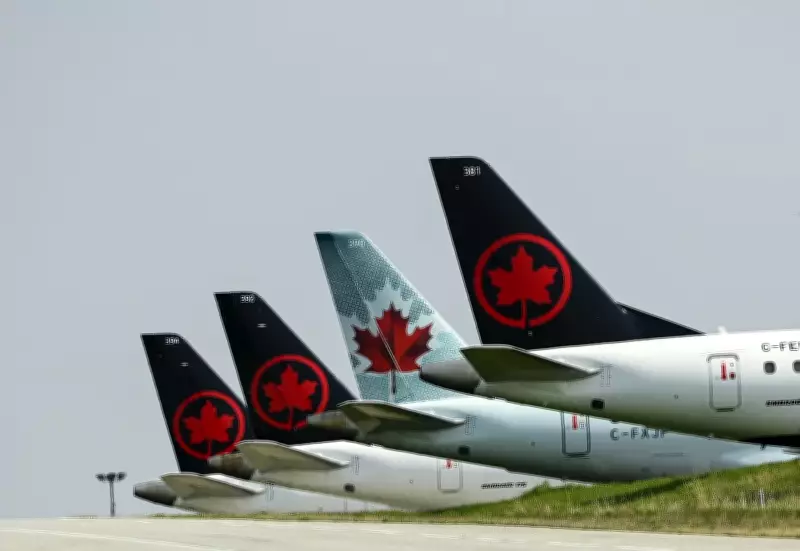
During the pandemic, Air Canada grounded numerous planes, as seen in images from Pearson International Airport in Toronto in April 2021. The airline's vaccination policy was part of broader efforts to mitigate virus transmission and resume operations safely. However, this latest ruling suggests that the implementation of such policies may have overlooked legitimate religious concerns.
The arbitrator's decision could set a precedent for similar cases in the aviation industry and beyond, potentially influencing how companies handle religious accommodation requests in future public health crises. It also raises questions about the adequacy of exemption processes and the need for clear guidelines to protect both employee rights and public health.
Broader Impact on Labor and Health Policies
This ruling comes amid ongoing discussions about vaccine mandates and individual freedoms. It serves as a reminder that employers must carefully consider religious exemptions under human rights laws, even during emergencies. The back pay awarded to the pilots not only addresses their financial losses but also acknowledges the validity of their religious claims.
As Air Canada moves forward, this case may prompt the airline to review and refine its policies to better accommodate diverse beliefs while maintaining safety standards. The outcome also reflects broader societal tensions between collective health measures and personal liberties, a theme that continues to resonate in post-pandemic discourse.