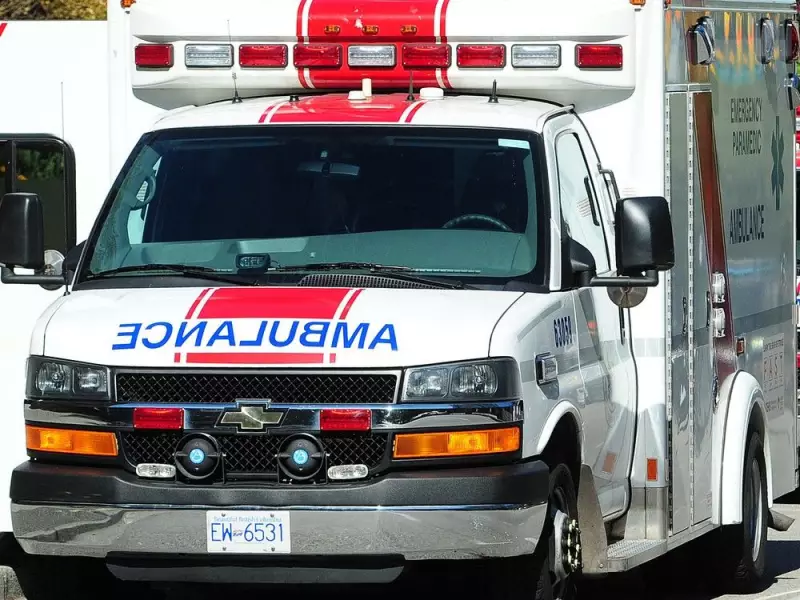
The union representing British Columbia's ambulance paramedics and dispatchers has issued a stark warning that a strike is now a real possibility after contract negotiations with the provincial government broke down just before Christmas.
Negotiations Stall, Job Action Looms
The Ambulance Paramedics of B.C., which represents more than 4,500 front-line workers, announced on Tuesday that it is now consulting its membership about potential job action. This move comes after bargaining talks, which had shown some progress, ultimately collapsed.
Union President and lead negotiator Jason Jackson expressed deep disappointment with the situation. "This is not where we expected or wanted to be," Jackson stated. He emphasized that paramedics and dispatchers are more essential than ever to the province's healthcare system and voiced serious concern over the government's approach to the negotiations.

Mounting Pressures on Front-Line Workers
The union has outlined a series of critical pressures facing its members, which are at the heart of the dispute. These include chronic staffing shortages, empty ambulances, and an increasing reliance on mandatory overtime. Jackson pointed out that when emergency departments or hospitals are forced to close, it is often local paramedics who must fill the gaps to keep communities safe.
"Our members have stepped up time and time again without hesitation," Jackson said. "Yet we continue to see ambulances sitting unstaffed and hundreds of vacant positions across the province." He warned that without meaningful improvements to wages, benefits, and wellness initiatives, the province will continue to lose skilled professionals, leaving communities to pay the price.
Key Demands and Essential Service Preparations
In addition to better compensation, the union is seeking several key improvements in the new contract. Their demands include:
- Stronger protections against contracting out of paramedic services.
- Better deployment models to serve underserved rural and remote communities effectively.
- Enhanced mental health and wellness supports for front-line workers who regularly face traumatic situations.
In preparation for a potential strike, the union has begun the process of establishing essential service levels for paramedics and dispatchers to ensure that life-threatening emergencies would still receive a response.
The threat of job action coincides with troubling data on ambulance response times. Information released by B.C. Emergency Health Services in May revealed that fewer calls for ambulances in Metro Vancouver are meeting time targets for life-threatening emergencies like heart attacks or strokes. Province-wide, wait times increased most sharply in Delta, West Vancouver, and White Rock, where the median response time for cardiac arrests grew by over 40 percent between 2018 and 2024.
Postmedia has reached out to B.C. Emergency Health Services for comment on the union's statement and the stalled negotiations. The situation places a spotlight on the sustainability of emergency medical services in British Columbia as the new year begins.