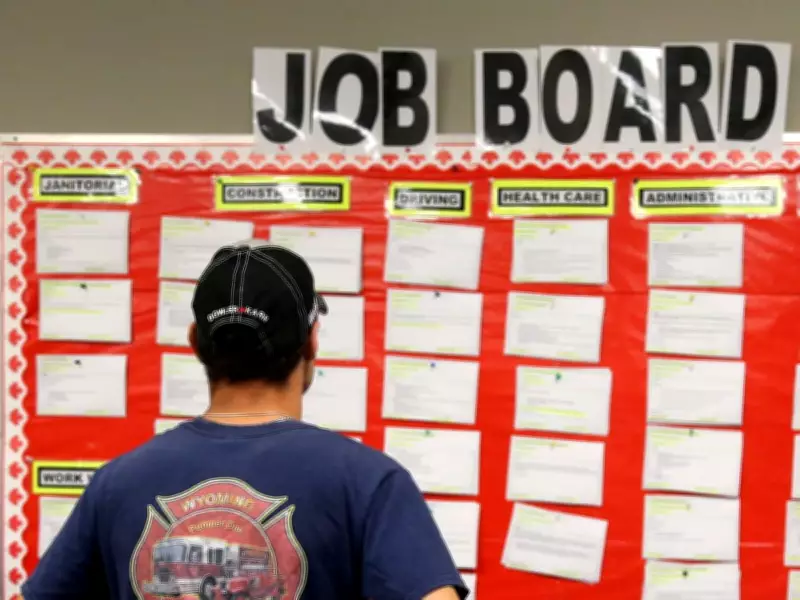
Economic analysts are forecasting a period of stability rather than dramatic growth for Canada's employment landscape in the coming year. According to Brendon Bernard, senior economist at the Indeed Hiring Lab, the Canadian labor market is expected to remain mostly static and unchanged throughout 2026, with no significant "economic spark" on the horizon to drive substantial job creation or transformation.
Labor Market Stability Amid Economic Uncertainty
Bernard's assessment points to a continuation of current employment patterns rather than any major shifts in hiring or workforce dynamics. This prediction comes at a time when many economists and policymakers have been hoping for signs of renewed economic vigor that could translate into more robust job growth across various sectors.
The anticipated stability suggests that both employers and job seekers should prepare for a continuation of existing market conditions, with neither dramatic improvements nor significant deteriorations expected in the near term. This outlook reflects broader economic trends and challenges facing the Canadian economy as it navigates global uncertainties and domestic policy considerations.

Artificial Intelligence's Growing Role in Employment
While the overall job market may remain relatively unchanged, Bernard emphasizes that artificial intelligence continues to play an increasingly important role in shaping labor market dynamics. The integration of AI technologies across industries is creating both challenges and opportunities for Canadian workers and employers alike.
"The impact of artificial intelligence on employment patterns cannot be overstated," Bernard notes in his analysis. "While AI adoption may not dramatically alter overall employment numbers in the short term, it is fundamentally changing the nature of work and the skills required for success in many fields."
This technological transformation is creating demand for new skill sets while potentially displacing some traditional roles, requiring both workers and educational institutions to adapt to evolving market needs.
Identifying Canada's Best Job Opportunities
Despite the overall static outlook, Bernard's analysis does identify specific areas where job opportunities remain strong or are expected to grow. The Indeed Hiring Lab's research points to several sectors and roles that continue to offer promising prospects for Canadian job seekers, even within a generally stable employment environment.
Key factors influencing these opportunities include:
- Technological adoption and digital transformation across industries
- Demographic shifts and changing consumer preferences
- Government policy initiatives and sector-specific investments
- Global economic trends affecting Canadian exports and imports
Understanding these dynamics will be crucial for both employers developing hiring strategies and individuals planning their career paths in what appears to be a period of labor market equilibrium rather than dramatic change.
Long-Term Implications for Workforce Development
The combination of a static overall job market with ongoing technological transformation creates complex challenges for workforce development. Educational institutions, training programs, and government initiatives will need to balance preparing workers for existing opportunities while anticipating future skill requirements shaped by AI and other technological advances.
Bernard's analysis suggests that while 2026 may not bring dramatic changes to employment numbers, it represents a critical period for laying the groundwork for future labor market success. Strategic investments in skills development and adaptation to technological changes today may position Canadian workers and employers more favorably when economic conditions eventually shift toward more dynamic growth.
The Indeed Hiring Lab's findings provide valuable insights for policymakers, business leaders, and individual Canadians navigating an employment landscape characterized by stability in the short term but significant underlying transformation driven by technological advancement.