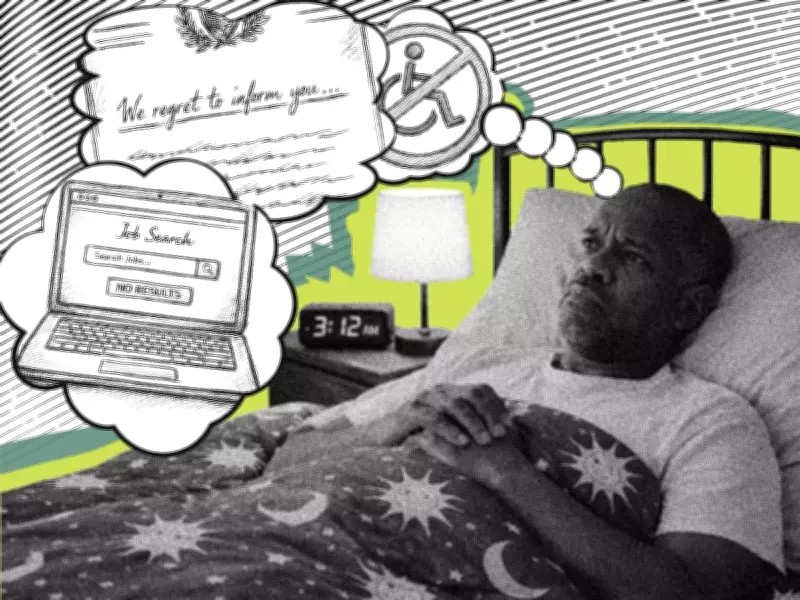
Public Servant with Learning Disability Seeks Clarity on Workforce Adjustment Process
A public servant on the autism spectrum has reached out for advice after receiving a workforce adjustment letter in January, expressing deep anxiety and confusion over potential job loss. The individual, who secured their current role with assistance from LiveWorkPlay, fears that their disability may hinder future employment opportunities in the public service, noting a lack of information on protections for people with disabilities during cuts.
Understanding Workforce Adjustment and Disability Protections
In the federal public service, workforce adjustment decisions are designed to focus on positions rather than individuals, prioritizing organizational structure and operational needs. However, human rights obligations and employment equity commitments remain in effect, requiring departments to consider accommodations or mitigation measures if the process creates barriers related to disabilities.
This includes adjustments to assessment methods or support for redeployment, ensuring the workforce reflects Canadian society, including people with disabilities. For conditions like autism, meaningful accommodations often involve structural changes to processes such as hiring methods, interviews, or communication formats, rather than just specialized tools.

Seeking Support and Practical Steps
The public servant mentioned that their union and other groups have not provided helpful support, highlighting a gap between formal processes and individual needs. To address this, it is recommended to seek targeted assistance from managers or HR advisors to explore deployment possibilities or adapted assessment methods.
Additionally, turning to workplace or community organizations, such as disability networks or groups supporting professionals with autism or learning disabilities, can offer valuable guidance. Written communication, like questions or observations, can also help clarify concerns and maintain a record of interactions.
Tools for Continuity and Self-Care
One useful tool is the accommodation passport, which documents an employee's accommodation needs and carries them forward during role changes, aiding in transitions. Above all, prioritizing personal wellbeing is crucial as individuals navigate uncertainty and seek practical support.
V. C. de la Ronde, a former public servant with 25 years of experience and expertise in mentoring, emphasizes the importance of clear, responsive guidance in such situations, drawing from her own background in dealing with vision loss and diverse professional roles.