The organized labor movement at Starbucks continues to gain significant momentum as workers at 30 additional U.S. stores have announced they will join the week-old strike against the coffee giant. This expansion represents a substantial escalation in the ongoing labor dispute that has been building throughout 2025.
Growing Labor Movement
Starbucks Workers United, the union representing the company's employees, confirmed the participation of these new locations in the coordinated labor action. The strike, which began on November 13, 2025, has now spread to dozens of stores across multiple states, demonstrating the growing dissatisfaction among frontline workers in the food service industry.
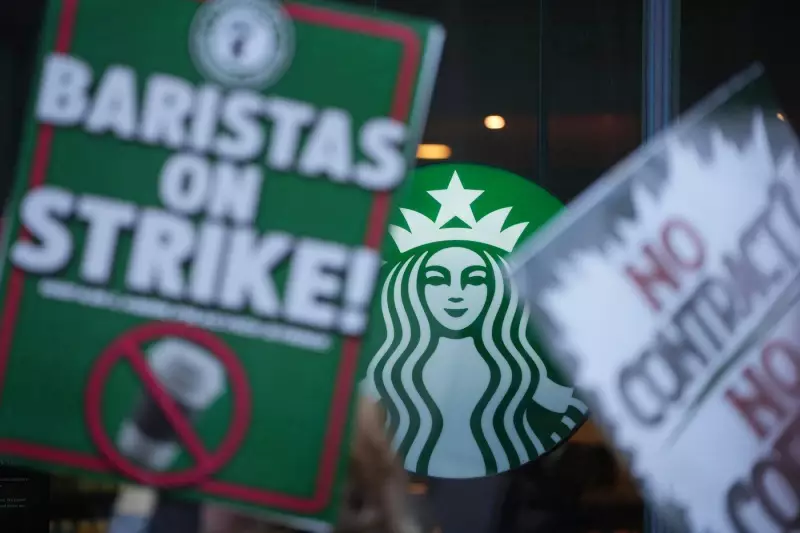
The initial protests gained national attention when workers and supporters picketed outside a Starbucks location in Philadelphia, drawing public support and media coverage. The visual of determined employees standing outside their workplace has become a powerful symbol of the movement's resolve.

Worker Demands and Company Response
Union representatives have been clear about their core demands, which include better wages, improved working conditions, and more consistent scheduling. Many workers have reported struggling with unpredictable hours that make financial planning difficult, along with concerns about staffing levels that they say compromise both employee wellbeing and customer service quality.
Starbucks corporate leadership has acknowledged the labor actions but maintains that the company offers competitive compensation and benefits. Company representatives have emphasized their commitment to direct dialogue with employees, though union organizers argue that collective bargaining through their elected representatives would be more effective.
Broader Implications for Service Industry
This expanding strike action at Starbucks occurs against a backdrop of increased labor organization across the service sector. The food and beverage industry has seen a notable uptick in unionization efforts since the pandemic, as workers reassess their priorities and demand better treatment from major corporations.
The success or failure of this Starbucks strike could have significant implications for similar labor movements throughout the retail and food service industries. Other major chains are likely watching developments closely as they navigate their own labor relations in an increasingly organized workforce environment.
As the strike enters its second week with expanded participation, both sides appear prepared for a potentially prolonged confrontation. The addition of 30 new stores to the labor action suggests that worker solidarity remains strong, setting the stage for continued negotiations and possible further escalations in the coming days.