The chief executive of Montreal's public transit operator has stated that flexibility from all parties will be essential to resolving a labor dispute that previously paralyzed the city's Metro and bus network. The comments come in the wake of a strike by maintenance workers that brought services to a standstill.
The Impact of the Maintenance Workers' Strike
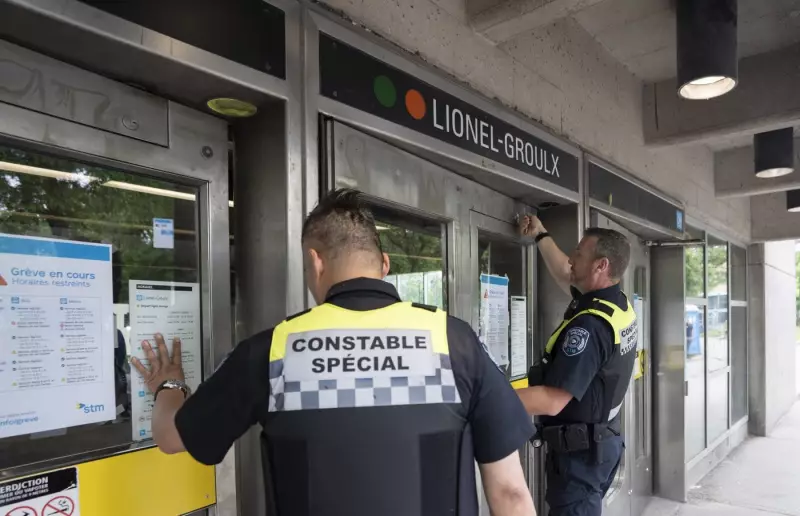
On Monday, June 9, 2025, maintenance workers with the Société de transport de Montréal (STM) walked off the job, triggering a major service disruption. The strike action led to the closure of Metro stations and the suspension of bus routes across Montreal. Images from the day showed STM special constables locking station doors, leaving commuters stranded and underscoring the critical role these workers play in the city's daily operations.
The work stoppage highlighted the fragile state of labor relations within the transit authority and the direct consequences for hundreds of thousands of daily riders. The disruption served as a stark reminder of the importance of the ongoing contract negotiations between the STM and the union representing its maintenance staff.

A Path Forward Through Negotiation
In a statement, the STM's CEO emphasized that reaching a new collective agreement will require a willingness to adapt and find common ground. While not disclosing specific details of the bargaining points, the executive's message pointed to the need for constructive dialogue and compromise to avoid future service interruptions.
The call for flexibility suggests that negotiations are at a delicate stage, where both sides must move from entrenched positions to find a sustainable solution. The goal is to secure a deal that addresses the workers' concerns while ensuring the reliable operation of Montreal's essential public transit system.
Looking Ahead for Montreal Commuters
The resolution of this dispute is of paramount importance to the city's mobility and economic health. A prolonged conflict or further strike action would have significant ripple effects, impacting employees, businesses, and all residents who depend on the STM.
As negotiations continue, commuters and city officials alike will be watching closely, hoping that the demonstrated flexibility leads to a fair and lasting agreement. The outcome will set a precedent for labor relations in Quebec's public sector and determine the stability of Montreal's transit network for the foreseeable future.