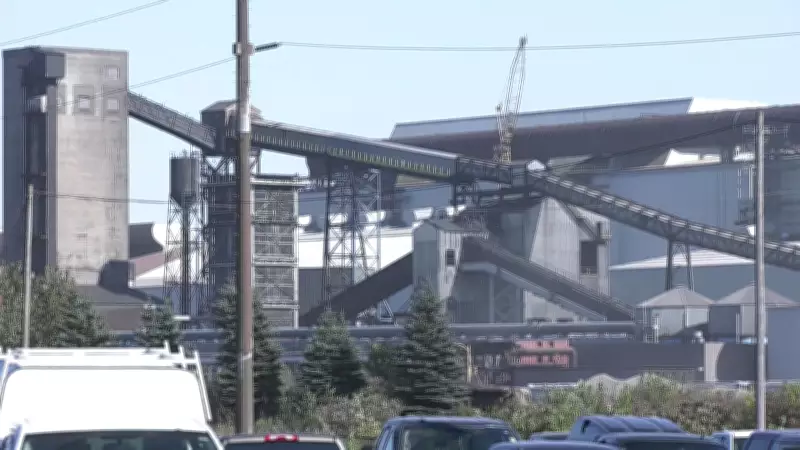
Algoma Steel Layoffs: Final Shift for 300 Workers as Seniority Rules Apply
In a significant blow to the local economy, Algoma Steel in Sault Ste. Marie, Ontario, is proceeding with layoffs today, marking the final shift for approximately 300 employees. This move is part of a broader restructuring plan announced in December 2026, which outlined a total of 1,000 job cuts at the steel manufacturing facility. The layoffs are being implemented in accordance with union seniority rules, which dictate the order of departures based on employees' length of service.
Impact on Workers and Community
The layoffs are expected to have a profound impact on the affected workers and the surrounding community in Northern Ontario. Many employees facing job loss today have spent years, if not decades, at Algoma Steel, contributing to the region's industrial backbone. The union, representing the workers, has emphasized that seniority is a critical factor in these decisions, aiming to provide some measure of fairness during this challenging transition. However, the emotional and financial toll on individuals and families is anticipated to be substantial, with local support services likely to see increased demand.
Background and Broader Context
Algoma Steel's announcement of 1,000 job cuts in December came amid ongoing challenges in the steel industry, including fluctuating demand and competitive pressures. The company has cited economic factors and operational adjustments as reasons for the downsizing. Today's layoffs represent the first major wave of these cuts, with further reductions expected in the coming months. This development underscores broader trends in the manufacturing and energy sectors in Canada, where companies are increasingly restructuring to adapt to market conditions.

Local officials and community leaders have expressed concern over the layoffs, highlighting the potential for increased unemployment and economic strain in Sault Ste. Marie. Efforts are underway to provide retraining and job placement assistance for displaced workers, but the scale of the cuts poses significant hurdles. The situation at Algoma Steel serves as a reminder of the vulnerabilities faced by industrial towns reliant on single employers, prompting calls for diversified economic strategies to bolster resilience.
As the final shift concludes for these 300 workers, the focus shifts to the future of Algoma Steel and its remaining workforce. The company has indicated that it will continue operations with a leaner structure, but the long-term implications for production and community stability remain uncertain. Stakeholders, including union representatives and government agencies, are monitoring the situation closely, advocating for measures to mitigate the impact and support those affected by this difficult chapter in Northern Ontario's industrial history.