In a strategic move to capitalize on the upcoming global sporting event, Airbnb has announced a financial incentive program aimed at recruiting first-time hosts in cities that will host matches during the 2026 FIFA World Cup. The company is offering a substantial $750 bonus to new hosts who list their properties on the platform in these designated locations.
Boosting Host Participation for Major Event
This initiative is designed to significantly expand the available accommodation options for the millions of international visitors expected to attend the tournament across North America. By providing a direct monetary incentive, Airbnb aims to encourage homeowners and renters to become hosts, thereby increasing inventory and meeting the surge in demand during the World Cup period.
Toronto Stadium Upgrades Underway
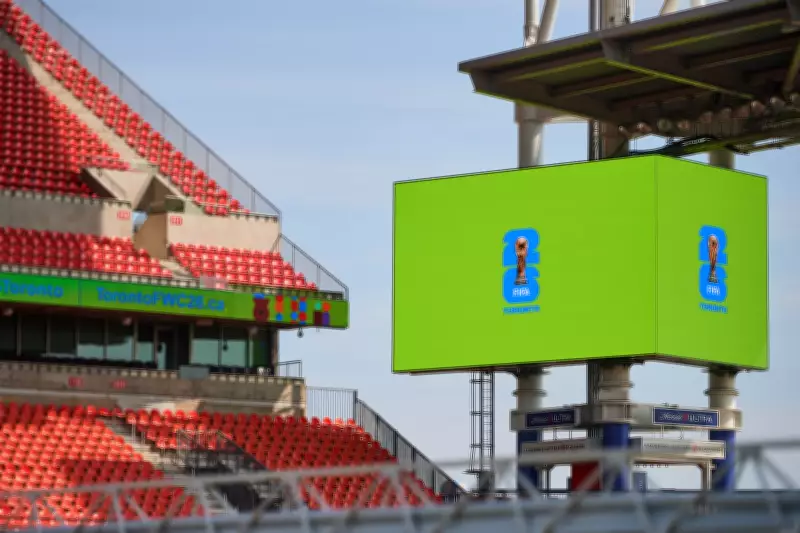
Preparations are already in full swing in host cities like Toronto, where infrastructure enhancements are progressing. Field work continues at BMO Field as the City of Toronto and Maple Leaf Sports & Entertainment (MLSE) complete the first phase of upgrades to transform the venue into the 2026 World Cup-ready Toronto Stadium. These renovations are critical to ensuring the facility meets FIFA standards and can accommodate the large crowds anticipated for the matches.

The timing of Airbnb's incentive aligns with these stadium developments, creating a synergistic approach to hosting the event. As cities invest in public infrastructure, private accommodation platforms are mobilizing to support the logistical needs of travelers.
Economic Impact and Host Benefits
For potential hosts, the $750 offer presents a compelling opportunity to generate additional income during a high-demand period. First-time hosts can use this bonus to offset initial setup costs or as a guaranteed earnings boost. Airbnb's program not only benefits individual hosts but also contributes to the local economy by promoting tourism spending in host communities.
This initiative reflects a broader trend in the sharing economy, where platforms actively incentivize participation during major events to ensure supply meets demand. The 2026 FIFA World Cup, being one of the largest sporting events in the world, represents a prime opportunity for such strategies.
As the tournament approaches, similar incentives and preparations are likely to emerge across other host cities, highlighting the interconnected nature of event hosting, tourism, and the digital economy.