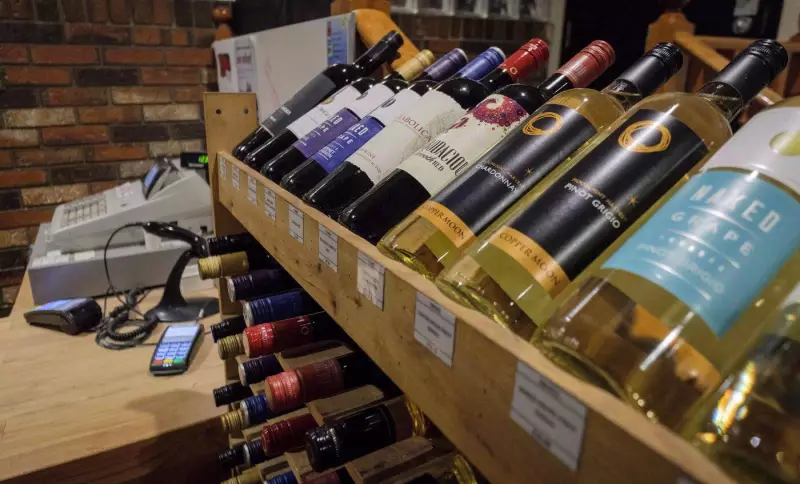
Businesses in Alberta are mounting pressure on the provincial government, calling for the immediate cancellation of a specific tax on wine that they have derisively labeled as "sour grapes." The levy, which adds a notable cost to bottles of wine, particularly those from other provinces like British Columbia, is facing fierce opposition from local retailers who say it is damaging their bottom line and limiting consumer options.
The Core of the Controversy
The dispute centers on a tax applied to wine sold within Alberta. Retailers and industry representatives argue that this additional charge makes their products less competitive and unfairly targets a specific segment of the liquor market. They contend that the tax is a punitive measure that ultimately harms Alberta-based businesses more than it generates worthwhile revenue for the province. The call for its cancellation was formally issued on January 14, 2026, marking a significant escalation in the ongoing debate over provincial taxation and interprovincial trade barriers.
Impact on Local Retailers and Consumers
Store owners report that the tax has created a tangible negative impact. They state that it discourages customers from purchasing wine, leading to lower sales and reduced inventory variety. The phrase "sour grapes" is used to imply that the tax is motivated more by spite or protectionism than sound fiscal policy. For consumers, the result is higher prices at the checkout counter and a potentially diminished selection of wines from across Canada and beyond. This comes at a time when many businesses are still recovering from economic challenges.

Broader Implications and Next Steps
The business coalition's demand places the issue squarely on the desk of Alberta's policymakers. The outcome of this pressure could set a precedent for how the province handles sin taxes and interprovincial commerce. If the tax remains, retailers warn of continued financial strain and possible job losses within the sector. If it is repealed, it would represent a significant victory for the Alberta business community and could influence similar debates in other provinces. The situation underscores the delicate balance governments must strike between generating revenue and fostering a healthy business environment.
As of now, the Alberta government has not issued an official response to the businesses' public call to action. Stakeholders across the liquor and retail industries will be watching closely for any developments in the coming weeks.