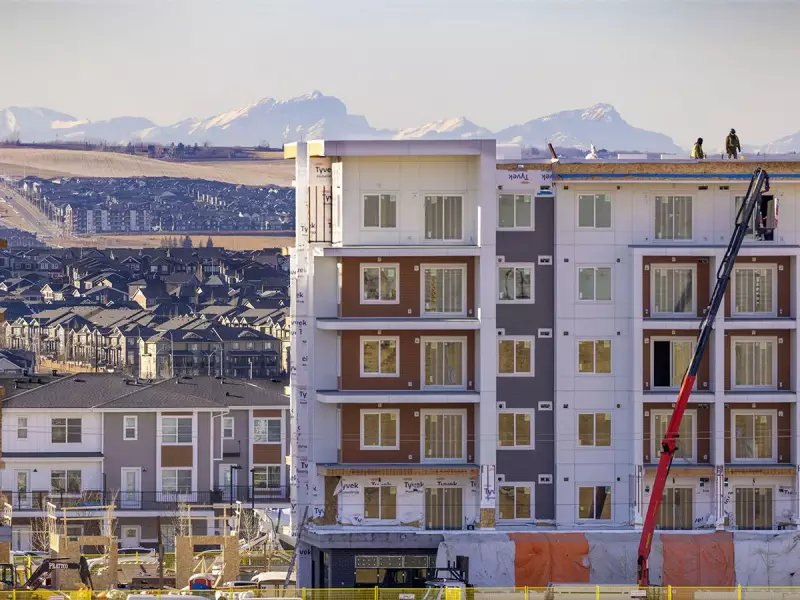
Alberta's Unprecedented Housing Construction Surge Set to Moderate
The remarkable surge in new home construction across Alberta, which shattered historical records in 2025, is projected to moderate as the province's extraordinary population boom begins to ease. This significant shift in the housing landscape comes after a period of unprecedented building activity that has transformed communities throughout the region.
Record-Breaking Construction Activity
According to data from Canada Mortgage and Housing Corporation, Alberta witnessed more than 53,000 housing starts during 2025, representing a substantial 14 percent increase from already robust 2024 levels. This remarkable achievement broke the previous annual record that had stood for nearly two decades, highlighting the extraordinary scale of development occurring across the province.
ATB Financial chief economist Mark Parsons emphasized the unprecedented nature of this construction boom, stating, "If you look at the ramp-up on housing starts, we've never seen anything quite like it." The economist cleverly inverted a famous cinematic quote to describe the situation: "They came — and we built it," referring to the massive influx of new residents that preceded the construction wave.

Metropolitan Construction Records
The construction boom manifested most dramatically in Alberta's two largest urban centers. Calgary experienced construction starts on more than 27,600 homes during 2025, representing a 14 percent increase from previous levels. Meanwhile, Edmonton saw an even more substantial 16 percent lift, with 21,337 units beginning construction. Both cities established new records for housing starts, reflecting the widespread nature of the building surge.
Dhruv Gupta, president of the Akash Group of Companies, which builds new homes in both Edmonton and Calgary, noted, "I think 2025 was obviously a good year with housing starts across both major municipalities in the province." He further observed that while significant in-migration occurred during the first half of the year, "things did taper off in the second part of the year."
Population Growth as Primary Driver
The primary catalyst behind this construction frenzy has been Alberta's remarkable population expansion since 2023, which added nearly 500,000 new residents to the province. This demographic surge has transformed Alberta's economic and social landscape, creating both opportunities and challenges for communities across the region.
ATB Financial's analysis reveals that Alberta accounted for more than 21 percent of all housing starts in Canada during 2025, despite representing only about 12 percent of the country's total population. This disproportionate construction activity underscores the intensity of housing demand within the province during this period.
Economic and Housing Market Impacts
The population boom has generated multiple economic effects, including an expanding economy and rising employment levels. However, it has also created significant housing pressures, with rental rates and housing prices experiencing substantial increases as demand outpaced supply in many markets.
For instance, Calgary apartment rents increased by more than 10 percent in December 2024 compared to the previous year, averaging more than $2,000 per month. This rental inflation reflects the intense housing demand created by the population influx, though increased construction activity is gradually adding supply to help balance the market.
Changing Migration Patterns
Unlike previous construction booms driven by energy sector expansion, the current housing surge has different underlying motivations. Gupta noted, "Compared to 2006, (last year's record) was not from oil-price-driven immigration. People are not coming here because of high oil prices. This is for affordability and other reasons."
As population growth begins to moderate from its peak levels, housing construction is expected to follow a similar trajectory. The tapering of migration patterns suggests that while construction activity will remain robust, it may not sustain the record-breaking pace witnessed during 2025. This normalization represents a natural market adjustment as supply gradually catches up with demand across Alberta's housing markets.