BC Budget's Interest Rate Hike on Deferred Property Taxes Sparks Senior Outrage
North Shore seniors are expressing profound dismay and anger following the recent provincial budget announcement by British Columbia's NDP government. The budget includes a significant interest rate increase on deferred property taxes, a move that critics argue will disproportionately impact older residents already grappling with financial pressures.
Financial Burden Compounded by Existing Debt
The controversial policy comes at a particularly difficult time for North Shore communities, which are still dealing with the financial aftermath of the Wastewater Treatment Plant project. This infrastructure initiative has left residents saddled with what they describe as a "30-year debt boondoggle" for which no government accountability has been established.
"We are appalled at the NDP's attack on seniors in this budget," stated North Vancouver residents Kevin and Lisa Layton in a letter to The Vancouver Sun. "The outrageous interest hike on property tax deferment will hurt many on the North Shore especially hard, as we've just been burdened with this massive wastewater debt."

Seniors Feel Betrayed by Government Policy Shift
The Laytons, like many seniors across British Columbia, express feeling betrayed by a political party they once viewed as supportive of older citizens and working-class families. "The NDP used to be senior-friendly," they wrote. "It used to be the party of the average person and the working class, but I guess once we retire we no longer count."
This sentiment reflects broader concerns about the government's approach to housing affordability and senior welfare. Many older residents have spent decades working, saving, and making sacrifices to achieve home ownership, only to face what they perceive as punitive taxation policies that threaten their financial security.
Multiple Financial Pressures Converge on Fixed Incomes
The property tax interest hike represents just one component of a broader financial squeeze affecting British Columbia seniors. When combined with other tax increases and additional PST charges, many older residents question how they're expected to manage on fixed incomes.
"We worked hard and made many sacrifices to acquire our home," the Laytons emphasized. "To have our government try and tax us out of it is an insult and a slap in the face. We can't ask for raises on our pensions."
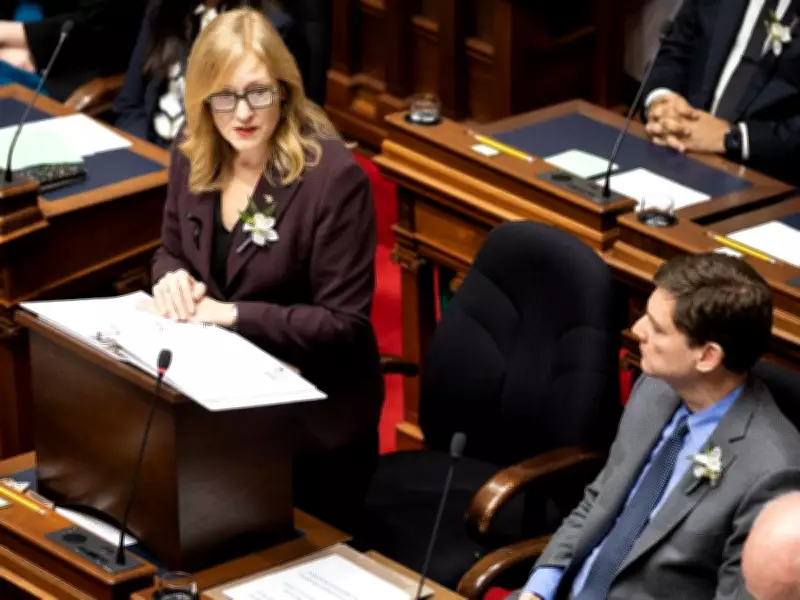
The budget was formally presented by B.C. Minister of Finance Brenda Bailey, with Premier David Eby in attendance at the legislative assembly in Victoria. The government has defended its fiscal plan as necessary for addressing broader economic challenges, but the property tax provision has generated particularly strong opposition from senior advocacy groups and affected homeowners.
Growing Concerns About Senior Financial Vulnerability
This policy change raises important questions about how governments balance fiscal responsibility with protection for vulnerable populations. As British Columbia's senior population continues to grow, policies affecting housing costs and property taxation will likely remain contentious issues in provincial politics.
The North Shore response highlights how localized infrastructure decisions—like the wastewater treatment project—can compound the impact of broader policy changes, creating what residents describe as a "perfect storm" of financial stress for older homeowners.