Provincial Government Takes Unprecedented Action on Housing
In a dramatic escalation of British Columbia's housing crisis response, the provincial government has overridden West Vancouver's municipal authority after the district failed to meet mandated housing targets and missed critical deadlines. This marks the first time the province has utilized an order-in-council to forcefully implement parts of a municipality's official community plan.
Missed Targets and Deadlines Trigger Intervention
According to Ministry of Housing data, West Vancouver approved only 58 of the 220 housing units required during Year 1 of its provincially-mandated housing targets. Additionally, the municipality missed the December 31, 2025 deadline to approve the Ambleside area plan, a crucial component of the larger community planning framework established under Housing Minister Christine Boyle's directives.
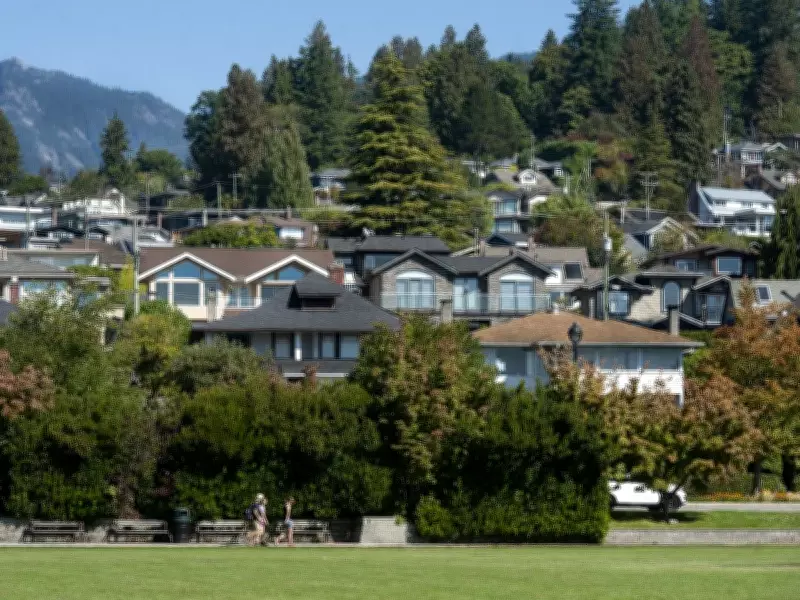
The provincial intervention comes after nearly two years of negotiations and warnings regarding West Vancouver's lack of progress on housing development. The amended official community plan now permits four-storey developments along the entire Marine Drive corridor, with taller structures allowed in specific areas, including buildings up to 16 storeys on 17th Street.

Political Gridlock and Provincial Ultimatum
The Ambleside area plan had been stalled at council for almost a year, with a 3-3 vote last May effectively delaying debate. Mayor Mark Sager recused himself from that vote due to a conflict of interest, contributing to the political impasse.
In her April 7 letter to Mayor Sager, Minister Boyle acknowledged some progress on densification in other parts of the municipality but made clear that West Vancouver remains non-compliant with provincial requirements. The letter outlines specific conditions the district must meet to avoid further enforcement actions.
"West Vancouver will need to submit regular reports on densification around Park Royal and conduct comprehensive housing analyses for both the Ambleside Apartment Area and Dundarave," Boyle stated, noting that area plans for these regions remain under development.
Municipal Response and Provincial Justification
Mayor Sager responded that the provincial order was not unexpected, expressing optimism about certain aspects of Boyle's communication. "The minister recognizes that we've done significant work in the direction of more housing in our community," Sager noted, specifically referencing the Cypress Village development, a 3,700-unit project scheduled for construction over the next 25 years.
However, Sager questioned the province's level of involvement in local planning matters, suggesting this would become an election issue. "I think it's unusual for the province to get this involved in local land use planning, but that's an issue they'll have to deal with at the next provincial election," he commented.
Premier David Eby defended the government's actions during an unrelated press conference, emphasizing that West Vancouver had received ample time to comply with provincial mandates. "This was not optional work," Eby asserted, contrasting West Vancouver's performance with municipalities like Kelowna that have exceeded their housing targets.
"The vast majority of municipalities across the province engaged in this work in good faith because they understood the importance of this issue for British Columbians," Eby continued. "With West Vancouver, we've had to, unfortunately, take the step of requiring them to do this work."
Ongoing Requirements and Future Implications
West Vancouver must now submit regular reports on densification progress around Park Royal while completing housing analyses for specified areas. The provincial intervention establishes a significant precedent for municipal-provincial relations in housing policy, potentially influencing how other districts approach their mandated targets.

The conflict highlights the tension between local autonomy and provincial housing priorities as British Columbia continues grappling with one of North America's most severe housing affordability crises. With the amended community plan now in effect, West Vancouver faces increased pressure to accelerate housing development while navigating the complex relationship between municipal decision-making and provincial oversight.