The commercial real estate landscape in Calgary faced a significant setback at the end of 2025, as the office vacancy rate in the city's downtown core climbed back above the 30% mark. This data, reported for the fourth quarter (Q4), highlights the persistent challenges in filling office spaces despite broader economic recovery efforts.
A Return to High Vacancy Levels
The latest figures confirm a worrying trend for property owners and the municipal economy. After periods of fluctuation, the office vacancy rate in Calgary has once again exceeded 30%. This level of unoccupied space underscores the lasting impact of remote work trends, corporate downsizing, and the slower-than-anticipated return of workers to central business districts. The data point, specific to the fourth quarter of 2025, serves as a key indicator of the health of the city's commercial sector.
Context and Contributing Factors
Calgary's economy, historically tied to the energy sector, has been navigating a complex transition. While diversification efforts are underway, the commercial real estate market remains sensitive to these shifts. The high vacancy rate is not an isolated issue but is connected to broader national trends affecting major urban centers. Factors include the normalization of hybrid work models, which has reduced the demand for permanent, full-scale office footprints, and the financial pressures on companies seeking to optimize operational costs.

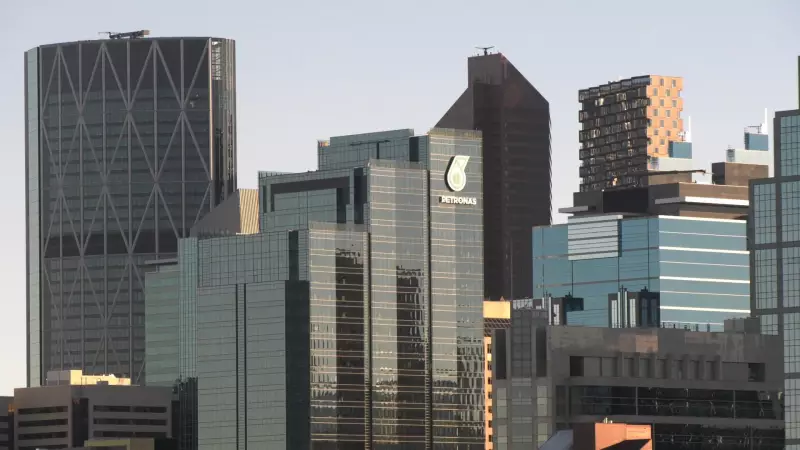
The physical landscape of downtown Calgary, as referenced in file photos, visibly reflects this statistic, with numerous buildings containing multiple empty floors. This surplus of available space places downward pressure on rental rates and affects the valuation of commercial properties, impacting municipal tax bases and local business ecosystems that rely on downtown foot traffic.
Implications for Calgary's Future
The return to a vacancy rate over 30% poses several implications. For the city, it represents a continued challenge in revitalizing the downtown core and achieving pre-pandemic levels of economic activity. For investors and developers, it signals a market that requires innovative approaches to repurposing or redeveloping underutilized office assets. Potential strategies being discussed in the industry include conversions to residential units, a move that could address housing needs while stabilizing the property market.
Moving forward, stakeholders will be closely monitoring indicators in 2026 to see if this Q4 2025 figure represents a peak or the beginning of a new plateau. The city's ability to attract new businesses and foster growth in sectors beyond traditional oil and gas will be critical in determining the long-term trajectory of its commercial real estate health.