The Costly Aftermath of Canada's U.S. Alcohol Embargo
In response to tariff threats from the Trump administration, provincial governments across Canada initiated what was widely mislabeled as a "boycott" of American wine and spirits. This government-mandated removal of products from liquor store shelves has proven to be an expensive exercise in political theater, leaving Canadian taxpayers with a substantial financial hangover.
Mischaracterizing the Action
While media reports consistently referred to this as a boycott, that terminology was fundamentally inaccurate. A genuine boycott involves consumers voluntarily refusing to purchase products as an act of protest. What actually occurred was a government-imposed embargo, executed through provincial liquor authorities, which eliminated consumer choice entirely. Canadians had no say in whether American alcohol products remained available, as the decision was made unilaterally by government officials.
The Scale of the Removal
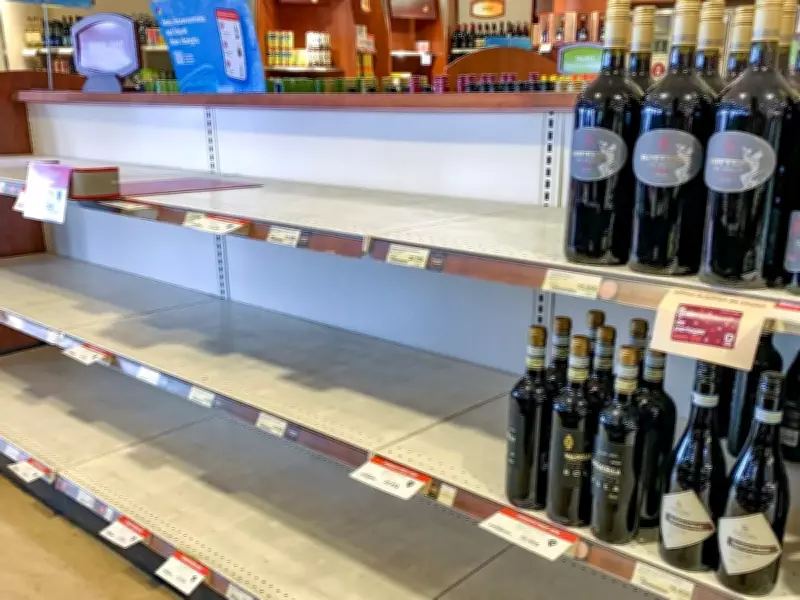
The logistical operation to pull American products from shelves was massive in scope and expense. In Ontario alone, the LCBO removed more than 3,600 products representing nearly $1 billion in inventory that had already been purchased by Canadian taxpayers. Premier Doug Ford framed this action as necessary retaliation, declaring that Canada needed to "hit back and hit back hard," while seemingly overlooking that every bottle removed had already been paid for with public funds.

Rather than simply ceasing future orders, provincial governments orchestrated a nationwide logistical ballet involving removal, storage, overtime costs, and lost interest on capital that had already been spent. This created additional expenses beyond the initial inventory investment, compounding the financial impact of the policy.
The Political Rationale
Former Prime Minister Justin Trudeau offered insight into the government's thinking during a recent interview. He recounted an anecdote about being on a date where an American companion ordered a "Jack and Coke" only to be informed that American alcohol was unavailable not just in that establishment but across Montreal and likely the entire country. Trudeau characterized this as "an example of Canadians standing up for each other" and a demonstration of "soft power" during a time of stress.
This framing positioned the embargo not as an economically questionable policy but as an expression of national solidarity. However, critics argue this rationale obscures what was essentially an ill-advised exercise that inflicted economic harm on Canadian consumers and taxpayers.
The Unraveling Policy
Just one year after the dramatic removal of American alcohol products, the policy is showing signs of unraveling. While Ontario maintains its position, keeping confiscated products under lock and key, other provinces have begun reversing course. Nova Scotia and Prince Edward Island are now selling off their stockpiles, though exclusively for charitable purposes. Quebec has similarly decided to donate its cache to charity events and hospitality schools rather than maintaining the embargo indefinitely.
This shift toward charitable distribution raises questions about the original policy's sustainability and logic. Some observers interpret the charitable angle as a public relations strategy designed to obscure what amounts to a policy reversal while allowing governments to save face. The optics of supporting charitable causes may be preferable to admitting that the embargo was economically impractical from the outset.
Broader Implications
The alcohol embargo reflects a broader pattern of Canadian paternalism in economic matters. Canadians have historically accepted significant government intervention in various sectors, from agricultural production quotas to provincial liquor monopolies. The alcohol embargo fits within this tradition of government control over what might otherwise be consumer decisions in a free market.
However, this particular intervention has proven especially costly and symbolic rather than substantive. With products already purchased and paid for, the removal created no actual economic pressure on American producers while imposing real costs on Canadian taxpayers and limiting consumer choice.

Conclusion: Theater Over Substance
The so-called boycott of American alcohol was never truly about economic principle or effective trade policy. It was political theater designed to demonstrate resolve in the face of American tariff threats. Dressed up as patriotic action, the embargo functioned as a costly boondoggle that transferred wealth from Canadian taxpayers to government storage facilities and eventually to charitable organizations.
As provinces quietly reverse course through charitable distributions, the fundamental question remains: Why were these products removed in the first place when they had already been purchased? The answer appears to lie more in political symbolism than practical policy, leaving Canadians to wonder why their bourbon dollars now support charities while their sherry dollars continue flowing to government coffers through normal liquor board operations.