Canadian Alcohol Bans Reshape Drinking Habits Amid Trade War Tensions
In a dramatic shift driven by geopolitical friction, Canadian provinces have implemented widespread bans on American alcohol sales, fundamentally altering consumer preferences and trade dynamics. This move came as a direct response to threats from former U.S. President Donald Trump during a tariff-heavy trade war, where he suggested making Canada the 51st U.S. state.
Provincial Actions and Political Support
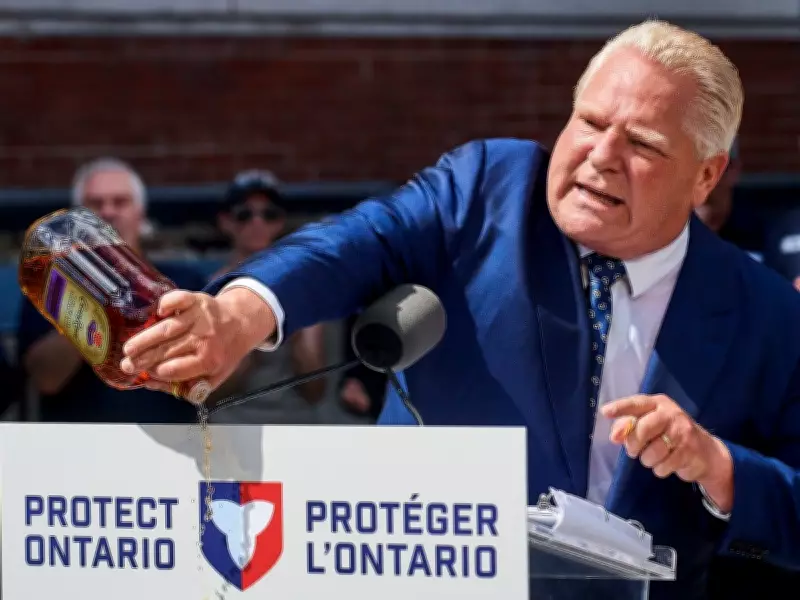
All but two provinces—Saskatchewan and Alberta—have maintained these bans, with prominent signage in stores urging shoppers to "Buy Canadian Instead" and support local economies. Politicians and provincial premiers have rallied behind these measures, encouraging Canadians to toast with homegrown spirits rather than imported American brands.
At the Liberal party national convention in Montreal, Prime Minister Mark Carney humorously highlighted the absence of American bourbon, quipping, "Anyone had any bourbon recently?" His remark, met with cheers, underscored a serious message about bolstering the national economy through domestic consumption.

Stark Trade Numbers and Economic Impact
The consequences of these bans are reflected in stark trade data. According to the Distilled Spirits Council of the United States, U.S. spirits exports to Canada fell more than 70 percent year-over-year between March and December 2025, dropping from $203 million to just $60 million. Statistics Canada corroborates this trend, reporting a 68 percent decline in U.S. alcohol imports during the same period.
Once-popular American vodkas, whiskies, and bourbons have become nearly impossible to find across most of Canada. For instance, Brown-Forman, the company behind Jack Daniel's and Woodford Reserve, experienced a 59 percent plunge in Canadian sales between May 2025 and January 2026.
Shifting Consumer Preferences and Industry Adaptation
Beyond merely emptying shelves, these bans have catalyzed a profound transformation in Canadian drinking habits. While overall alcohol consumption has decreased—a global trend—sales of Canadian spirits have increased as consumers pivot toward domestic alternatives.
Dan Nolan, co-owner of Tommy's Speakeatery in Regina, Saskatchewan, noted, "We got rid of pretty much all of the American-made whiskey—stopped buying it and haven't looked back." Similarly, Kevin Rusnell, managing partner of OutSpoken Brewing at Peace Restaurant in Sault Ste. Marie, Ontario, has replaced U.S. liquors in cocktails with more expensive Canadian-made substitutes.
"Plenty of community options are really great, including some really good gins and vodkas, and there's amazing Canadian whiskey as well," Rusnell explained, highlighting the quality and availability of local products.
Ongoing Trade Tensions and Future Implications
The provincial bans have left a sour taste in Washington, with the 2026 National Trade Estimate Report from the U.S. Trade Representative identifying them as a key sticking point in the upcoming review of the Canada-U.S.-Mexico Agreement this summer. This trade dispute underscores the broader economic and diplomatic strains between the two nations.
As Canadians continue to embrace homegrown spirits, this shift not only supports local industries but also reflects a larger narrative of economic resilience and national identity in the face of external pressures. The lasting impact on trade relations and consumer behavior remains a critical issue to watch in the coming years.