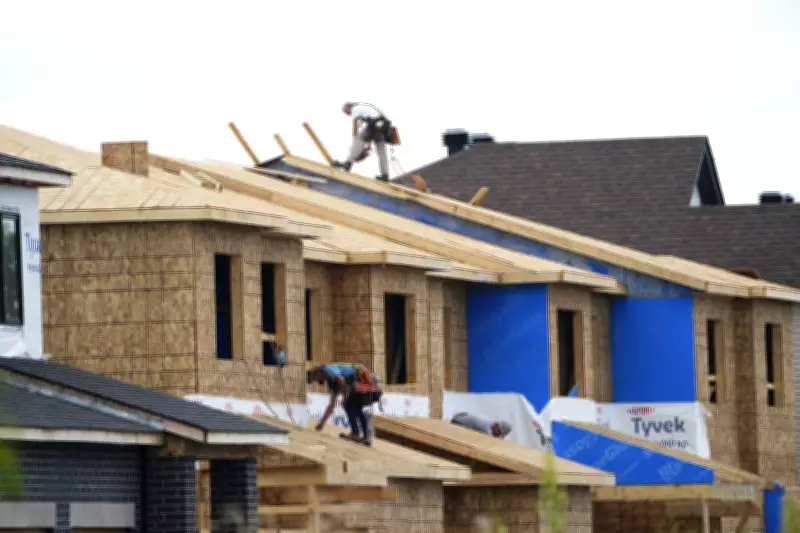
CMHC Reports Annual Rate of Housing Starts Slowed in March 2026
The Canada Mortgage and Housing Corporation (CMHC) has released new data indicating a notable slowdown in the annual rate of housing starts for the month of March 2026. This development marks a shift in the pace of residential construction activity across the country, reflecting broader economic and market conditions influencing the real estate sector.
Key Findings from the March Report
According to the CMHC report, the annualized rate of housing starts experienced a deceleration compared to previous months. This metric, which measures the number of new housing units on which construction has begun, is a critical indicator of future housing supply and economic vitality in the construction industry.
The slowdown suggests potential headwinds in the residential development landscape, possibly linked to factors such as financing costs, labor availability, or regulatory changes. While specific regional data was not detailed in the initial announcement, national trends point to a cooling period after periods of more robust activity.

Context and Implications for the Housing Market
Housing starts are closely monitored by economists, policymakers, and industry stakeholders as they provide early signals about the health of the real estate market and broader economy. A decline in starts can indicate reduced builder confidence or challenges in bringing new projects to fruition.
This March slowdown comes amid ongoing discussions about housing affordability and supply shortages in many Canadian markets. The CMHC data will likely inform debates about the effectiveness of current housing policies and the need for targeted interventions to stimulate construction where demand remains high.
Comparative Analysis and Future Outlook
When compared to March figures from previous years, the 2026 data shows a distinct moderation. Analysts will be examining subsequent months' reports to determine whether this represents a temporary fluctuation or the beginning of a more sustained trend.
The CMHC typically provides detailed breakdowns including:
- Urban versus rural starts
- Single-detached versus multi-unit construction
- Regional variations across provinces and major metropolitan areas
These granular insights help paint a comprehensive picture of where construction activity is concentrated and where it may be lagging.
As the housing market continues to evolve in response to demographic shifts, economic pressures, and policy changes, the CMHC's monthly housing starts reports remain essential tools for understanding the trajectory of residential development in Canada.