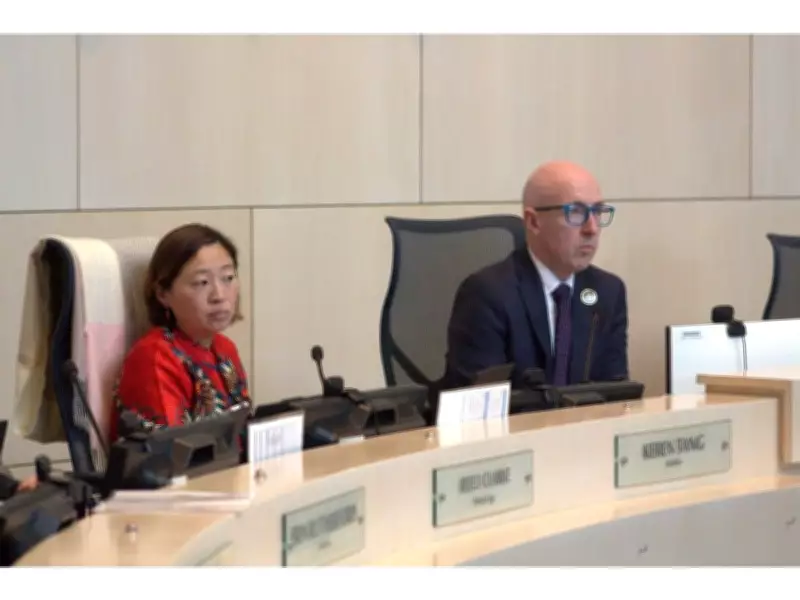
Edmonton City Council Upholds Current Infill Development Regulations
In a decisive 8-4 vote, Edmonton City Council has chosen to maintain the existing regulations governing infill developments, specifically preserving the maximum unit limit at eight dwellings per project. The decision came during a February 17 meeting where council members rejected a motion that sought to implement changes recommended by city administration following a November initiative by Mayor Andrew Knack.
Consultant Report Influences Council Decision
The council's decision was significantly influenced by a feasibility study conducted by mddl, a policy planning and land development consultancy. Administration had commissioned the report in January, and it was received on February 6. The comprehensive analysis found that current infill development rules have had minimal impact on the city's overall housing inventory.
The report presented several key findings:

- Current regulations provide better tax revenue sustainability for the city
- Existing rules offer superior financial returns for developers compared to proposed changes
- Reducing the unit maximum to six would limit property owner revenue and potentially reduce project viability
- Both individual unit sales and building sales are underperforming under current regulations
- New rental projects in infill-heavy areas show lower returns compared to city averages
Community Concerns and Remaining Considerations
Despite maintaining the unit maximum, council continues to address community concerns about building "massing"—the overall size and scale of new constructions compared to existing neighborhood homes. Mayor Knack noted that approximately 20 percent of new builds are reaching the current 10.5-metre height limit, with some residents expressing dissatisfaction with the scale of these developments.
"What we've heard is building massing, from the vast majority, is an issue," Knack stated during the meeting. "So now our job is how do we best address that? Building length alone is not going to address the concerns I heard from Edmontonians—it's the overall massing, that is length and height together."
Two significant items remain on the council's agenda for future consideration:
- Potential reduction of maximum sidewall height to nine metres for small-scale residential homes
- Development of a private tree bylaw to protect trees during development and redevelopment processes
Public Engagement and Next Steps
The decision follows substantial public engagement, with nearly 75 people registering to speak for and against infill rules during recent sessions. Many opponents expressed concerns about the scale of new buildings relative to existing neighborhood structures, while supporters emphasized the importance of increasing housing density.
If council approves the remaining motions regarding building height and tree protection, both measures will proceed to public hearings scheduled for April. The mddl report did note some limitations in its analysis, particularly regarding lot price data that could impact findings about rental market dynamics. The report suggested that the addition of new basement suites combined with high land values might be driving rental costs down—beneficial for renters but challenging for property owners seeking returns on investment.
The council's decision represents a careful balancing act between encouraging housing development, addressing neighborhood concerns about building scale, and maintaining financial viability for developers and property owners within Edmonton's evolving urban landscape.