The Hidden Price Tag of Housing Expansion
As Canadian cities continue to expand to accommodate growing populations, a stark financial reality emerges: housing growth comes with substantial infrastructure costs that municipalities struggle to bear. According to recent studies, each new housing unit requires an average of $107,000 in civic infrastructure investment, raising critical questions about funding responsibility and financial transparency.
Who Bears the Burden of Growth?
Professor Andy Yan, director of Simon Fraser University's City Program and a fellow of the Canadian Institute of Planners, emphasizes that the debate shouldn't focus on whether population growth occurs, but rather on how to fund it equitably. "Growth isn't free," Yan states bluntly. "It's not a question of population growth or not. It's a question of how do we pay for it and who should pay for it fairly and transparently."
Despite these substantial costs, Canadian developers are increasingly pressuring governments to reduce their infrastructure contributions. These fees typically cover essential services including sewer and water hookups, electrical connections, schools, transit systems, community centers, road maintenance, park bike lanes, libraries, fire halls, and sidewalks.

Municipal Infrastructure Under Pressure
The Canadian Urban Institute reveals that municipal governments face overwhelming infrastructure demands. "The tax base and other revenue sources of municipalities do not come close to meeting the many demands on local governments, including for community infrastructure," their study concludes. Municipalities bear responsibility for more than 60 percent of all public infrastructure across Canada, from local roads and transit systems to recreation facilities and waterworks.
British Columbia exemplifies these challenges, with the provincial population expanding by 20 percent since 2015 and Metro Vancouver's population jumping 30 percent during the same decade. While international migration has slowed recently, construction of market housing and rental units continues through residential towers and small apartment blocks.
Development Realities and Political Pressures
A recent Postmedia News survey of 16 major Metro Vancouver municipalities discovered they've approved more than 132,000 new housing units that aren't yet under construction. This construction delay stems partly from housing market downturns, declining rents, and reduced profits.
Housing experts note that some developers are rushing to secure building approvals while civic politicians face pressure from provincial governments to streamline approval processes and lower municipal fees. The Canadian Urban Institute cautions that "many housing projects currently in the pipeline can only proceed if certain essential infrastructure is provided."
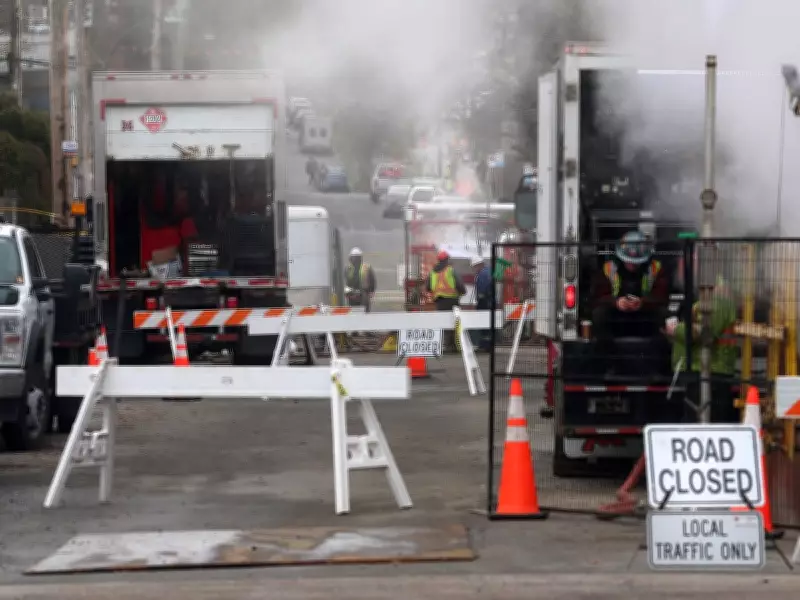
Critical infrastructure needs include drinking water systems, wastewater management, storm water drainage, energy distribution networks, local streets, and emerging requirements like digital-fibre broadband networks. Municipal leaders from Burnaby, Port Coquitlam, and other communities have highlighted these funding challenges, countering the misleading impression that developers paying fees are somehow "bailing out" taxpayers.
The $107,000 average infrastructure cost per housing unit represents a significant financial burden, with actual expenses varying based on existing municipal infrastructure capacity. As cities continue to grow, the question of who should shoulder these costs remains unresolved, creating tension between development interests, municipal budgets, and taxpayer expectations.