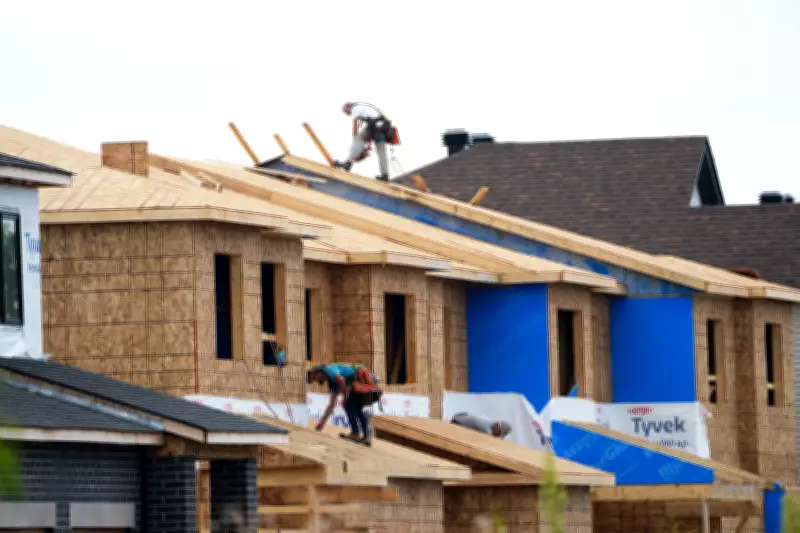
Kitchener-Waterloo Takes Action to Address 'Missing Middle' Housing Crisis
The Kitchener-Waterloo region is actively implementing new measures to confront the pressing issue of 'missing middle' housing, a critical shortage of affordable, mid-density residential options that has been affecting communities across the area. This initiative represents a significant step forward in urban planning and housing policy, designed to create more diverse and accessible living spaces for residents.
Understanding the 'Missing Middle' Concept
The term 'missing middle' refers to housing types that fall between single-family detached homes and large apartment buildings. These include duplexes, triplexes, townhouses, and low-rise apartments, which are often more affordable and suitable for a variety of households, including young families, seniors, and middle-income earners. In recent years, the scarcity of such options in Kitchener-Waterloo has contributed to rising housing costs and limited availability, prompting local authorities to take decisive action.
Strategic Measures and Community Impact
To address this challenge, Kitchener-Waterloo is rolling out a comprehensive plan that includes zoning reforms, incentives for developers, and community engagement programs. Key strategies involve updating land-use policies to allow for greater density in residential areas, promoting mixed-use developments, and streamlining approval processes for mid-density projects. These efforts aim to not only increase the supply of housing but also enhance neighborhood vibrancy and sustainability.

Local officials emphasize that tackling the 'missing middle' is essential for fostering inclusive growth and ensuring that the region remains accessible to all residents, regardless of income level. By prioritizing these housing types, Kitchener-Waterloo hopes to mitigate the effects of urban sprawl, reduce transportation emissions, and support local economies through increased housing stability.
Looking Ahead: Future Prospects and Challenges
As the implementation progresses, stakeholders are optimistic about the potential outcomes, including more affordable living options and improved community cohesion. However, challenges such as funding constraints, regulatory hurdles, and public opposition to density changes may arise. Continued collaboration between government, developers, and residents will be crucial to overcoming these obstacles and achieving long-term success in addressing the housing crisis.
In summary, Kitchener-Waterloo's proactive approach to the 'missing middle' housing issue underscores a commitment to innovative urban solutions and equitable development. This initiative is poised to make a meaningful impact on the region's housing landscape, offering hope for a more balanced and accessible future for all.