LaSalle Town Council Eyes Development Charge Increase to Support Growth
The Town of LaSalle is actively considering a proposal to raise development charges, a move aimed at generating additional revenue to fund critical infrastructure projects. This potential increase comes as municipalities across Canada grapple with financial pressures and the need to balance growth with sustainable funding models.
Addressing Infrastructure Demands Through Fiscal Policy
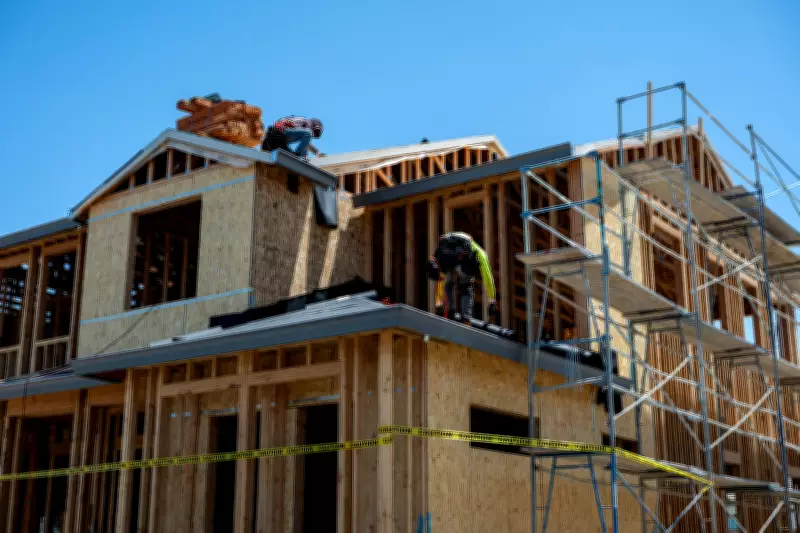
Development charges are fees levied on new construction projects to help cover the costs of essential services like roads, water systems, and parks. In LaSalle, officials argue that higher charges are necessary to keep pace with expanding community needs and to ensure that growth pays for itself, rather than burdening existing taxpayers.
The timing of this review is significant, as it aligns with broader provincial budget preparations for 2026. Many Canadian provinces are contending with economic shocks and inflationary trends, which trickle down to affect municipal financing strategies. For instance, recent data from Statistics Canada shows inflation ticking down to 2.3% in January, partly due to lower gas prices, but underlying cost pressures persist in sectors like construction and public works.

Broader Context of Municipal Fiscal Challenges
LaSalle's situation mirrors challenges faced by other municipalities nationwide. From Ottawa dealing with millions in unpaid photo radar tickets from out-of-province drivers to Montreal's pothole problems exacerbated by funding shortages, local governments are seeking innovative solutions to revenue gaps.
In the environmental sphere, similar fiscal strains are evident. Reports highlight Atlantic Canada's offshore wind potential, though projections are lower than initially estimated, underscoring the need for careful investment planning. Meanwhile, issues like the "serious erosion" under the Kettle Creek Bridge in Port Stanley, which could cost $500,000 to repair, illustrate how infrastructure decay demands proactive funding.
- Development charges help offset costs of new infrastructure required by population growth.
- Municipalities face rising expenses due to inflation and climate-related damages.
- Provinces are preparing for 2026 budgets amid economic uncertainties.
Potential Impacts and Community Considerations
If approved, the increased charges could affect housing affordability and development timelines in LaSalle. However, proponents argue that without such measures, the town might struggle to maintain service quality or face higher property taxes. This debate reflects a national conversation on balancing development with fiscal responsibility, as seen in other regions dealing with school portables in Tumbler Ridge, B.C., or parking frustrations for Sunnybrooke REM commuters.
The proposal is part of a larger trend where municipalities are leveraging tools like development charges to secure stable funding streams. As Canada's provinces navigate fresh economic shocks ahead of the 2026 budget season, local decisions in towns like LaSalle will play a crucial role in shaping community resilience and growth trajectories.