London Developer Appeals UTRCA's Rejection of Fast-Food Project in Floodplain
A London-based developer is formally appealing a decision by the Upper Thames River Conservation Authority (UTRCA) to refuse permission for a new fast-food commercial development proposed within a river's floodplain. The case highlights ongoing tensions between urban development ambitions and environmental protection mandates in the region.
Disputed Development Proposal
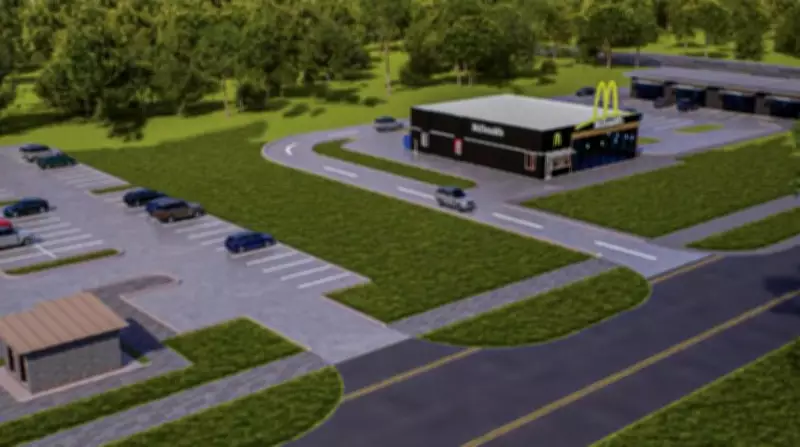
The proposed commercial development, conceptualized for the addresses 1310 Adelaide Street and 795 Windermere Road, was submitted by Royal Premier Development in 2024. Conceptual drawings from that year, sourced from the City of London, depict a modern fast-food establishment intended to serve the growing community. However, the UTRCA has blocked the project due to its location in a designated floodplain, citing significant risks of flooding and potential environmental damage.
Environmental and Regulatory Concerns
The UTRCA's refusal underscores the strict regulations governing construction in flood-prone areas, which are designed to mitigate flood risks, protect water quality, and preserve natural habitats. Authorities argue that such developments can exacerbate flooding, increase runoff pollution, and disrupt local ecosystems. The developer's appeal suggests a disagreement over the interpretation of these regulations or the feasibility of mitigation measures, such as elevated structures or enhanced drainage systems.

Broader Implications for London
This appeal is part of a larger pattern of disputes in London and surrounding areas, where rapid urban expansion often conflicts with conservation efforts. Similar cases have arisen elsewhere, reflecting a national conversation on balancing economic growth with environmental stewardship. The outcome could set a precedent for future developments in floodplains, influencing how municipalities and conservation authorities navigate land-use planning.
Next Steps and Potential Outcomes
The appeal process will involve hearings where both parties present evidence, including hydrological studies and environmental impact assessments. If successful, the developer might proceed with modified plans that address the UTRCA's concerns. Alternatively, a upheld refusal could force the developer to abandon the project or seek alternative sites, potentially delaying commercial growth in the area.
As this case unfolds, it draws attention to the critical role of conservation authorities in safeguarding natural resources while fostering sustainable development. Stakeholders, including local residents and environmental groups, will be watching closely, as the decision may impact not only this specific project but also broader policies on floodplain management in Ontario.