Metro Vancouver Municipalities Approve Significant Housing Despite Provincial Criticism
Metro Vancouver municipalities have recently granted approval for tens of thousands of new housing units, directly contradicting complaints from developers and the B.C. NDP government about excessive regulatory barriers. However, a significant portion of these approved units are not being constructed, primarily due to the current downturn in the real estate market cycle.
Approvals Versus Construction Reality
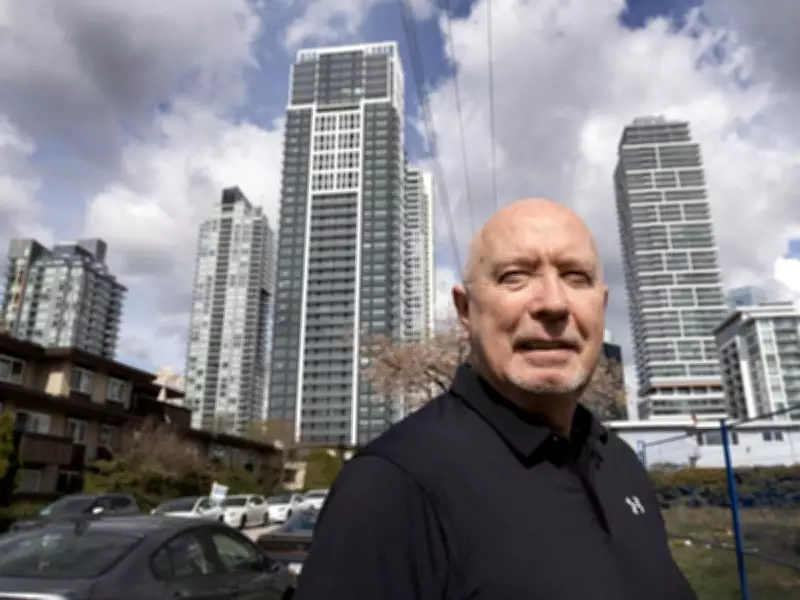
Burnaby Mayor Mike Hurley, who chairs the Metro Vancouver regional district, revealed in a recent interview that Surrey, Coquitlam, and Burnaby councils have collectively approved more than 60,000 housing units in recent years. This substantial number challenges the provincial narrative that municipal regulations have been severely hindering housing supply.
Despite these approvals, many developers are not moving forward with construction. Mayor Hurley cited lack of demand as a key factor, highlighting the disconnect between regulatory approvals and actual market conditions. This situation underscores how broader economic factors, rather than just municipal red tape, influence housing development timelines.

Expert Consensus Challenges Provincial Mandates
Last week, thirty Metro Vancouver housing experts publicly supported a position taken in December by sixteen Metro Vancouver mayors—excluding Vancouver Mayor Ken Sim. This coalition argues that strict building regulations have not been the primary obstacle to increasing housing supply, contrary to provincial government assertions.
Cameron Murray, an Australian housing economist, referenced research by Josh Gordon of McMaster University indicating that Vancouver's housing supply has been relatively strong compared to other major Canadian cities. "There is little evidence that supply has been significantly held back by regulations," Murray noted, pointing to data from 2017 to 2024 that shows Metro Vancouver's housing supply responsiveness outpacing other urban centers.
Questioning the Basis of Provincial Legislation
The expert statement raises serious questions about the necessity of the NDP government's 2023 legislative mandates, Bills 44 and 47. These bills force most B.C. municipalities to streamline regulations and automatically approve four- to six-plex buildings in nearly all neighborhoods, plus towers within 800 meters of transit hubs.
Critics argue that the province relied on a Canada Mortgage and Housing Corporation report using outdated data from 2010 to 2016 when crafting these policies. More recent analysis suggests the regulatory landscape may not be the bottleneck it was portrayed to be.
Broader Implications for Urban Planning
The coalition of experts, operating under the name Housing Reset, has also expressed concerns about Vancouver's aggressive upzoning initiatives. These include the Broadway and Cambie corridor plans, Jericho Lands development, Rupert and Renfrew plan, and the proposed Vancouver official community plan.
This perspective aligns with recent research from the San Francisco Federal Reserve, whose economists found that municipal regulations did not significantly impact house price trends or affordability in American cities. The debate in Metro Vancouver reflects a broader discussion about the complex interplay between regulation, market forces, and housing affordability in major urban centers.