Montreal Reduces Terrasse Permit Fees Through 2030 to Aid Businesses During Construction
In a move aimed at bolstering local businesses, Montreal has implemented a substantial cut to terrasse permit fees, with the reduced rates set to remain in effect until 2030. This initiative comes as the city grapples with extensive construction projects that have impacted commercial operations, particularly in the hospitality sector.
Supporting Businesses Amid Urban Development
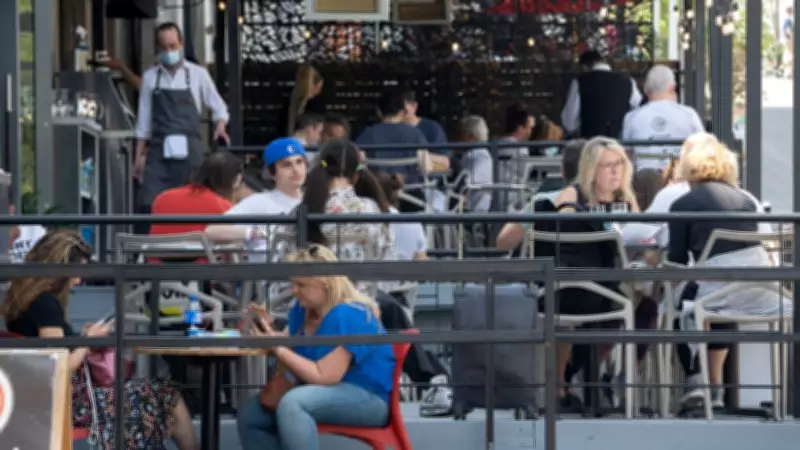
The decision to lower permit fees is a direct response to the challenges faced by restaurants, cafes, and bars that rely on outdoor dining spaces, known as terrasses, to attract customers. With major infrastructure work underway across Montreal, many establishments have reported disruptions that affect foot traffic and revenue. By reducing the financial burden of obtaining and maintaining terrasse permits, the city hopes to provide much-needed relief to these businesses.
This fee reduction is part of a broader strategy to foster economic resilience during periods of urban transformation. Officials emphasize that supporting small and medium-sized enterprises is crucial for maintaining the vibrancy of Montreal's neighborhoods, especially as construction projects continue to reshape the cityscape.

Long-Term Commitment to Commercial Vitality
Extending the lower fees until 2030 signals a long-term commitment from the municipal government to prioritize commercial vitality. The policy is designed to offer predictability and stability for business owners, allowing them to plan ahead without the uncertainty of fluctuating permit costs. This approach aligns with efforts to enhance Montreal's reputation as a welcoming destination for both residents and tourists, who often seek out the unique experience of dining on a terrasse.
As construction projects progress, the city anticipates that the reduced fees will help mitigate some of the economic pressures on local enterprises. This measure is seen as a proactive step to ensure that businesses can thrive despite the temporary inconveniences caused by infrastructure improvements.
Impact on the Local Economy
The reduction in terrasse permit fees is expected to have a positive ripple effect on the local economy. By easing operational costs for hospitality businesses, the city aims to:
- Encourage more establishments to maintain or expand their outdoor seating areas.
- Boost employment opportunities in the service industry.
- Enhance the overall appeal of commercial districts, contributing to increased tourism and spending.
This initiative reflects a growing recognition of the importance of adaptable urban policies in supporting economic growth. As Montreal continues to evolve, such measures may serve as a model for other cities facing similar challenges during periods of significant development.