The total assessed value of all property in Nova Scotia has climbed to a new, unprecedented peak, according to the latest provincial data. The collective worth now stands at a staggering $200 billion, marking a significant eight per cent increase from previous valuations.
Halifax Leads the Provincial Surge
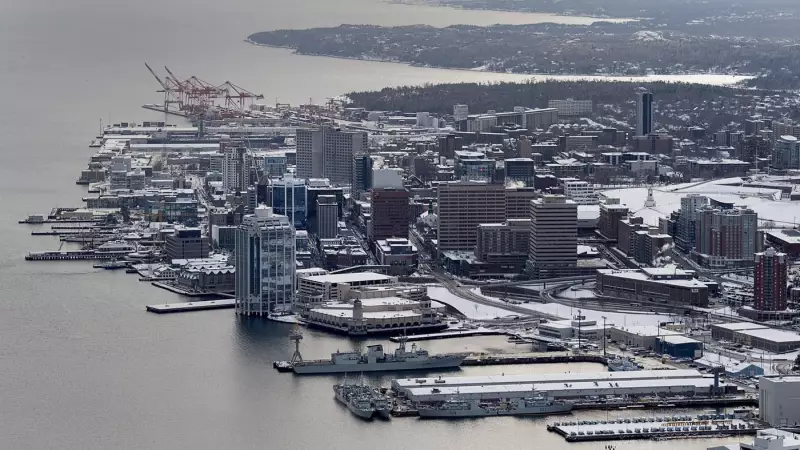
The capital city of Halifax is identified as the primary engine behind this substantial growth. The metropolitan area's booming real estate market continues to outpace many other regions, pulling the provincial total upward. This trend reflects sustained demand, development activity, and rising market prices in the urban core and its surrounding communities.
Understanding the Record Assessment
The new valuation of $200 billion, reported as of January 14, 2026, represents the total assessed value for municipal taxation purposes across the entire province. This eight per cent climb is a clear indicator of the heated state of the Nova Scotia property market, even as it adjusts from the frenetic pace of recent years. The increase will have direct implications for municipal tax bases and could influence future housing policy discussions.

Implications for Homeowners and the Market
While a rising assessment reflects growing equity for current property owners, it also signals higher potential property tax bills, depending on municipal tax rate decisions. The record-breaking figure underscores the long-term appreciation of real estate assets in Nova Scotia, particularly in the Halifax Regional Municipality. Market analysts suggest this data points to a market that remains robust, though the rate of increase may prompt conversations about affordability and sustainable growth for both buyers and renters in the region.
The provincial assessment provides a crucial snapshot of the economic weight of real estate in Nova Scotia, confirming its status as a major store of wealth and a critical component of the local economy. All eyes will now be on how municipalities utilize this expanded tax base and how the market responds in the coming year.