Canada's commercial real estate landscape is experiencing a profound and widening divide, creating clear winners and losers in the office property sector. While premium trophy buildings enjoy near-full occupancy, older office spaces face alarmingly high vacancy rates, particularly in major urban centers like Toronto.
The Great Bifurcation in Commercial Real Estate
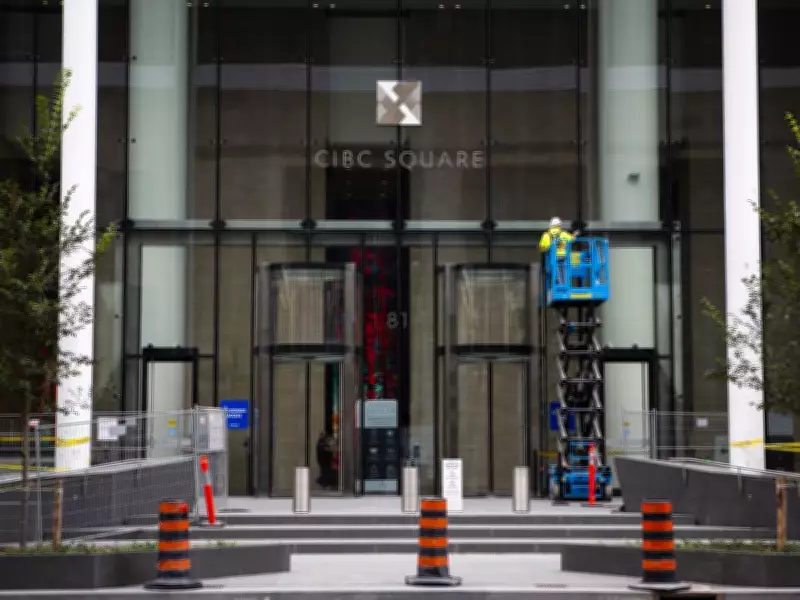
In Toronto's commercial property market, where nearly one-fifth of office space sits empty, the Caisse de dépôt et placement du Québec's CIBC Square stands as a remarkable exception. The fully leased complex at 81 Bay Street represents an unqualified success story in an otherwise challenging environment.
Timing has proven crucial for Quebec's largest pension fund and its U.S. development partner Hines. Their two-tower project, conceived in the mid-2000s, now benefits from post-pandemic market dynamics that few could have predicted.

Staggering Vacancy Rate Disparities
The division between premium and traditional office spaces has reached dramatic proportions. According to real estate firm Avison Young's latest findings, Toronto's trophy buildings maintain a vacancy rate of just 3.7 percent, while the overall market vacancy stands at 17.1 percent.
This stark contrast reflects changing tenant preferences in the post-pandemic era. Companies now prioritize buildings with proximity to transit hubs, modern amenities, and infrastructure that supports hybrid work models. Workers returning to offices increasingly demand convenient locations that minimize commute times.
Market Winners and Losers Emerge
The market divide has created distinct fortunes for different property owners. Allied Properties REIT, one of Canada's largest publicly traded office real estate investment trusts, has seen its unit price decline by nearly 30 percent this year. The REIT's occupancy languishes at approximately 85 percent, reflecting broader challenges in the non-premium office segment.
CIBC analyst Tal Woolley expressed limited confidence in the market's recovery, noting in a report on Allied Properties that "the recovery in the market seems limited to a few key urban markets and property types, and management has had to revise its outlook multiple times this year."
The Trophy Asset Advantage
Annie Houle, vice president of real estate for Canada at La Caisse, emphasized the strategic advantages of CIBC Square's location. The three-million-square-foot complex sits a short distance from Toronto's Union Station, a major transit hub, and connects to the city's extensive 30-kilometre underground PATH network.
"Connectivity to transport is so key," Houle stated, highlighting how the development's long-term vision anticipated Toronto's financial core shifting toward major transit connections. The PATH system, which appeared deserted during pandemic lockdowns, has regained vitality during what has become one of the snowiest winters in decades.
Long-Term Implications for Office Development
The current market dichotomy suggests that premium office spaces will remain in tight supply for the foreseeable future. Houle noted that constructing new towers requires years of planning and development, meaning trophy buildings are likely to maintain their competitive advantage.
This market segmentation reflects broader transformations in how businesses utilize office space. Companies increasingly view premium locations not merely as workplaces but as strategic assets for talent attraction and retention. The emphasis has shifted from square footage alone to quality, location, and amenities that support modern work patterns.
As the commercial real estate market continues to evolve, the gap between premium and traditional office properties appears set to persist. This division creates both opportunities for developers of high-quality assets and significant challenges for owners of older buildings struggling to adapt to changing tenant expectations.