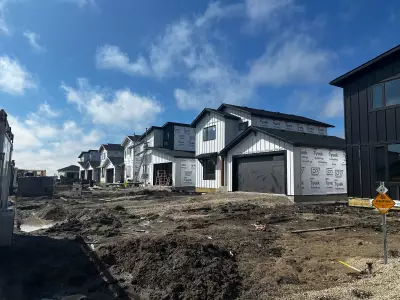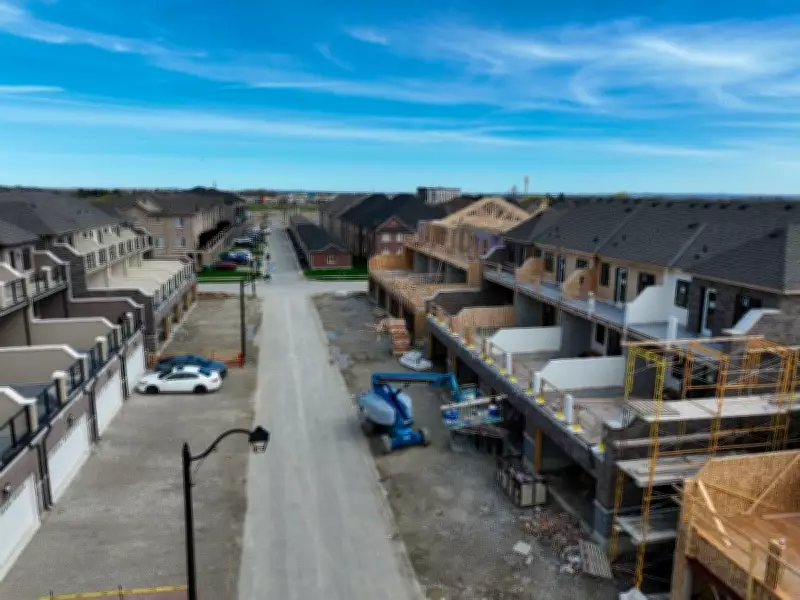
Ontario's Housing Construction Crisis: An Economic Emergency Unfolds
For decades, new home construction has served as a fundamental pillar of Ontario's economic landscape. This vital sector has consistently supported hundreds of thousands of jobs, generated billions of dollars in economic activity and tax revenue, and played an indispensable role in addressing the housing needs of a rapidly expanding population. However, recent evidence indicates this powerful economic engine is now stalling dramatically, with consequences that extend far beyond simple questions of housing affordability.
Data from 2025 paints a stark picture of serious and compounding repercussions for employment levels, future housing availability, government fiscal health, and the province's long-term economic trajectory. The situation has escalated from a market correction to what many experts are now calling a full-blown economic emergency.
The Decade-Long Pipeline Grinds to a Halt
To grasp the severity of this crisis, one must understand the intricate, multi-year pipeline through which housing is developed. The process typically spans a decade, beginning with land acquisition, planning, design, and regulatory approvals. Approximately halfway through this timeline, pre-construction sales commence, followed by the official start of construction, and finally culminating in completion when a unit becomes ready for occupancy. Years separate each critical stage.

The volume of homes actively under construction and the level of activity at each phase of this pipeline directly determines the sector's overall economic contribution and the number of jobs it sustains. Across Ontario, this entire system is now under severe and unprecedented strain.
Historic Lows in New Home Sales
Province-wide, new home sales have plummeted to levels not witnessed since records began being publicly reported in 1981. In 2025, sales fell to approximately 15,000 units across Ontario. This figure represents a catastrophic drop from historic annual levels, which traditionally ranged between 65,000 and 85,000 homes. A decline of this magnitude inevitably translates into significantly fewer housing starts in the coming years.
Current projections are alarming. By 2030, annual housing starts—including purpose-built rental units—are expected to fall to roughly 40,000 units. This is a drastic reduction from the approximately 80,000 starts recorded today, signaling a profound contraction in the industry's future output.
The Epicenter: Greater Toronto Area in Freefall
These troubling sales trends are most pronounced in the Greater Toronto Area, the country's largest and most dynamic housing market. In 2025, new home sales in the GTA reached their lowest level ever recorded. Total sales for the entire year amounted to a mere 5,314 units.
The breakdown reveals the depth of the downturn: single-family home sales were down 63 per cent from the ten-year average, while condominium apartment sales experienced a staggering 89 per cent decline. These numbers indicate a near-complete freeze in buyer activity for new construction.
Sharp Decline in Housing Starts Confirms the Trend
On the construction side, the data is equally grim. According to the latest figures from the Canada Mortgage and Housing Corporation, housing starts in Ontario declined sharply in 2025. The province recorded 62,561 housing starts, down from 72,118 in 2024. This represents a 13 per cent year-over-year drop in the number of new homes beginning construction—a significant retreat for a key economic indicator.
This decline in starts is particularly concerning because it reflects sales decisions made years earlier. The current decrease in construction initiation is the result of weakened market conditions from the recent past. Now, with starts already falling, a sustained period of exceptionally weak sales means even fewer projects will enter the development pipeline in the future.

The cascading effect is clear: fewer projects entering the pipeline leads to fewer homes under construction, which in turn erodes construction activity and employment for years to come. This dynamic also guarantees a critically low supply of new homes in the future, creating a severe mismatch with Ontario's steadily growing population and setting the stage for an even more acute housing shortage down the line. The economic emergency triggered by the housing slowdown is now fully underway, with long-term implications for every resident of the province.