Ottawa Councillors Split Over Vacant Unit Tax Review and Future
Ottawa city councillors find themselves at odds over the future of the municipality's vacant unit tax on residential properties. While some elected officials are pushing for a comprehensive review and potential sunset clause, others staunchly defend the policy as a crucial tool for returning empty homes to the market and generating millions for affordable housing initiatives.
Revenue Success and Growing Concerns
The controversial tax has proven financially successful, directing $32 million into Ottawa's affordable housing fund between 2023 and 2025, with projections indicating an additional $12 million injection in 2026. Despite this revenue achievement, concerns about the policy's implementation and fairness have sparked division within council chambers.
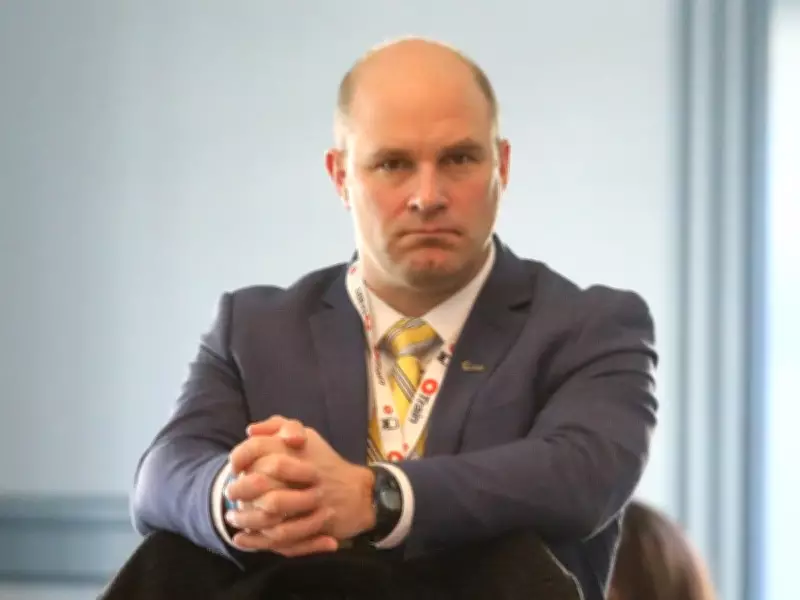
Barrhaven West Councillor David Hill and Orléans West-Innes Councillor Laura Dudas recently filed an inquiry with city treasury staff, calling for council to reconsider what they describe as an "increasingly punitive" tax during the February 3 finance and corporate services committee session.

How the Vacant Unit Tax Operates
Implemented in 2022, the vacant unit tax (VUT) aims to encourage property owners to return empty units to Ottawa's housing market. The city levies a tax on properties remaining vacant for more than 184 days in a calendar year, calculated at one percent of the property's assessed value. Residents must declare their property's occupancy status annually before the March 19 deadline.
According to deputy city treasurer Joseph Muhuni, the policy showed early success with 1,602 previously vacant units returning to the market between 2022 and 2023. Muhuni noted this level of housing supply would have required approximately $400 million in capital investment from developers at an estimated cost of $250,000 per unit.
Persistent Vacancies and Escalating Rates
Despite these positive numbers, city data revealed "persistent vacancy patterns" with 2,067 properties remaining vacant for two consecutive years. This pattern indicated the flat one percent tax rate failed to motivate all property owners to return units to market, prompting council to approve a graduated rate structure.
The new system features a one percent base rate that increases by one percent annually—to a maximum of five percent—for properties remaining vacant in consecutive years. This escalation has become a focal point of criticism from some councillors.
Diverging Perspectives on Policy Purpose
Councillor Hill argues the VUT was originally introduced as "a narrow behavioral tool" specifically targeting corporate owners engaged in harmful speculative vacancies. "What we're seeing instead is a policy that's increasingly punitive—especially with the increased one percent per year tax that's going to be applied—procedurally unfair and misaligned with its original purpose," Hill stated.
He further criticized the policy for "applying escalating penalties without adequately distinguishing between speculative vacancy and unavoidable life-cycle vacancies" and placing "a reverse onus on property owners to prove compliance." Hill expressed particular concern that the tax "disproportionately affects individual owners and small housing providers, the very people that we are going to rely on to deliver this missing middle rental housing."
As Ottawa continues to grapple with housing affordability challenges, the debate over the vacant unit tax represents a fundamental disagreement about municipal policy approaches between revenue generation for affordable housing and concerns about fairness and unintended consequences for property owners.