Ottawa Heritage Building Debate: Should Tax Dollars Fund Preservation?
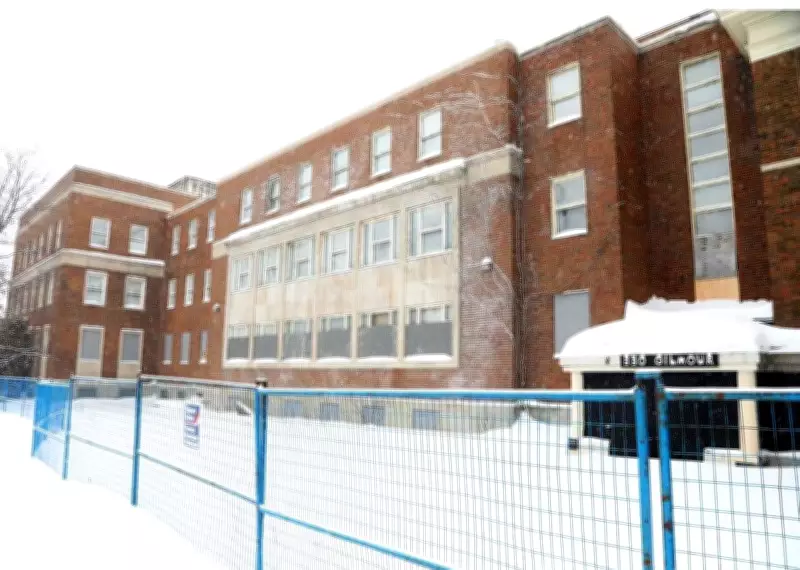
A passionate letter to the editor has ignited fresh debate over the use of public funds to preserve Ottawa's aging heritage structures. The author argues that taxpayer dollars should no longer be allocated to save derelict and deteriorating buildings, advocating instead for private investment and more practical urban development solutions.
Charleston's Preservation Model: A Case Study in Success
The letter draws a stark contrast between Ottawa's approach and that of Charleston, South Carolina, where heritage buildings are not only legally protected but celebrated as cultural assets. Charleston maintains six historic mansions open to the public with guided tours, creating self-sustaining operations funded entirely by visitor dollars. These properties are furnished with overflow pieces from the Charleston Museum, reducing storage costs while enhancing historical authenticity.
"Charleston has strict laws that 'All Buildings Must Be Saved,' including after hurricanes," the author notes. "This insistence has made Charleston a special experience that attracts tourists and supports local businesses."

Ottawa's Costly Vacillation
The letter criticizes Ottawa's decades of indecision regarding heritage preservation, arguing that delays have only increased costs as construction expenses rise. Properly managed heritage buildings could boost tourism, stimulate local spending at hotels, restaurants, and shops, and establish Ottawa as a destination for historical tourism.
However, the author questions whether the financial burden should fall on taxpayers. "The vacillating that Ottawa has done over the decades is mind-boggling," writes Lynda P. Haddon of Perth. "Things are only getting more expensive as time passes and costs rise."
The High Cost of Historical Accuracy
Preservation advocates often cite several benefits of heritage rehabilitation:
- Using less material than new construction
- Preserving important links to the past
- Creating incubators for entrepreneurship and innovation
- Increasing property values
- Adding jobs through labor-intensive restoration
Yet the letter challenges these assumptions, noting that rebuilding to original designs while updating to modern building codes often costs more than new construction. Finding labor skilled in century-old building methods presents additional challenges and expenses.
The author points to Parliament's refurbishment of the House of Commons as an example: "Even Parliament forced its painters to hand sand and stain the desks... A multi-year project caused many to retire early instead of using modern sanders and tools which would have saved time and money and arrived at the same result."
Questionable Preservation Projects
The letter questions specific preservation efforts, including the relocation of the old Island Park gas station during condo development. The structure was moved across the street and incorporated into the new building as an entrance, never to function as a gas station again.
"How many extra dollars did it cost a developer to move the old Island Park gas station across the street?" the author asks, suggesting such expenses might not represent the best use of resources.
A Call for Practical Solutions
The author argues that many heritage structures no longer serve their original purposes—former gas stations, hotels, and convents now stand vacant or underutilized. Rather than using public funds for preservation, the letter suggests these properties could be redeveloped for community benefit:
- Replacing a convent with multi-home community housing
- Tearing down Magee House for a city-supported daycare
- Converting Somerset House into facilities for unhoused residents
"If the City of Ottawa is to make an arbitrary designation of heritage designation, they should only do so if they have sufficient private funds to restore the facility," the author contends.

Prioritizing Citizen Needs
The letter concludes with a call to redirect resources toward more pressing community needs. "If we are to use tax dollars, let's put them to the benefit of citizens," the author writes. "Constant engineering reviews of decrepit structures or fixing buildings to keep them historically accurate does no benefit for the many."
This perspective adds fuel to an ongoing debate about how Ottawa should balance historical preservation with practical urban development and responsible fiscal management.