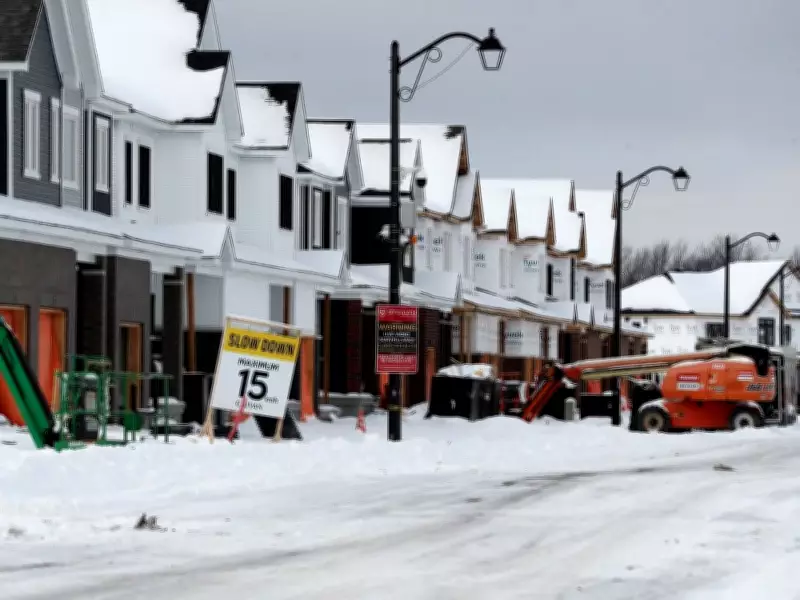
CMHC Index Highlights Ottawa's Deepening Housing Affordability Crisis
A new index released by the Canada Mortgage and Housing Corporation (CMHC) reveals that Canada's housing crisis, while having eased over recent years, persists at historic highs and has now extended beyond major urban centers like Vancouver and Toronto to include cities such as Ottawa. According to the report, housing affordability for homeowners in Ottawa has sharply declined since 2019, marking a significant shift in the national real estate landscape.
Two Waves of Unaffordability in Ottawa
The CMHC index identifies two distinct periods of housing unaffordability in Ottawa. The first wave occurred between 1999 and 2011, driven by stagnant wages and inflation, which reduced economic activity in the city. This initial phase set the stage for long-term affordability challenges, as residents struggled with rising costs amid limited income growth.
The second wave began in 2020 and lasted until 2022, exacerbated by high interest rates, supply chain disruptions, and increased homebuilding costs. These factors combined to create a sharp decrease in housing affordability, making it increasingly difficult for individuals and families to enter or sustain homeownership in the Ottawa market.

Recent Improvements and Future Outlook
Matieu Laberge, chief economist for the CMHC, noted in an interview that there has been some recovery since 2022. "The index has improved consistently from 2022 to 2025, which is the latest data point available," Laberge stated. "While there is still a long way to go to return to pre-COVID levels, the trend is moving in the right direction."
Laberge added that the CMHC forecasts moderate price appreciation in the housing market over the coming years, but not at the extreme levels seen during the COVID-19 pandemic. "This gives us hope because it means incomes may gradually catch up with housing prices, which is a key driver for improving affordability," he explained.
Comparative Data and Market Analysis
The CMHC's housing affordability index was published shortly after the National Housing Bank released its Housing Affordability Monitor report, which corroborates the growing expense of Ottawa's housing market. Data from this report indicates that the average price for a non-condo residential unit in Ottawa is approximately $764,858, requiring an annual household income of around $173,814 to afford such a property. Additionally, it would take an individual or family about 60 months to save for the necessary down payment.
For condominiums, the average price is around $403,382, with an annual household income need of about $93,370 and a down payment savings period of 24 months. These figures underscore the financial barriers facing potential homebuyers in the city.
Supply Challenges and Market Diversity
Laberge emphasized the importance of examining the diversity of available housing units in Ottawa. "It's crucial that there are entry-level, mid-market, and higher-end units accessible," he noted. "Currently, the mid to higher end of the market is relatively well-supplied, but the affordable segment remains very tight and requires more supply to meet demand."
This insight highlights a critical issue in Ottawa's housing crisis: while some market segments are adequately stocked, the lack of affordable options continues to strain lower-income residents, perpetuating the affordability gap.
In summary, the CMHC index paints a complex picture of Ottawa's housing market, where historical trends and recent economic pressures have converged to create ongoing affordability challenges. Despite some positive momentum, the need for increased supply in affordable housing segments remains a pressing concern for policymakers and residents alike.