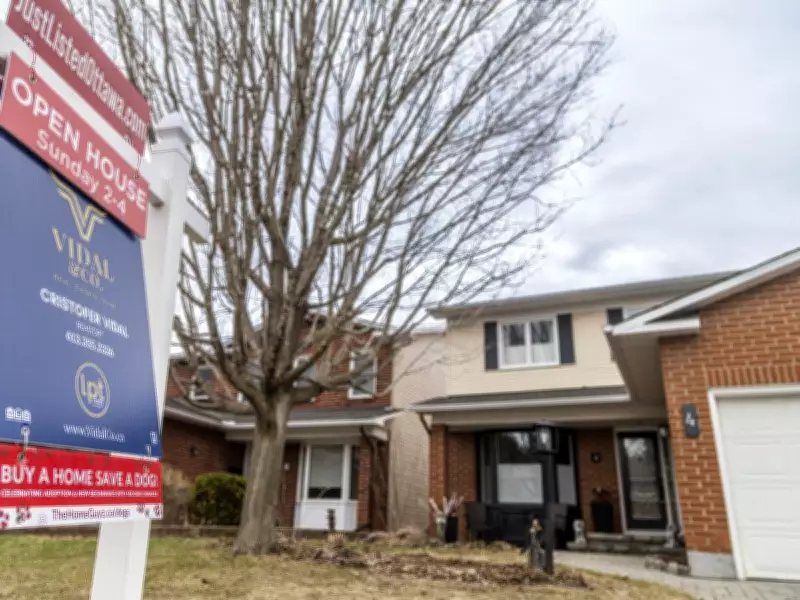
Seven Ottawa Markets Rank Among Ontario's Top 10 Most Affordable Housing Areas
A comprehensive analysis of Ontario's housing landscape has revealed a surprising trend: seven markets in the Ottawa region have secured positions among the province's top ten most affordable communities for homebuyers. This finding emerges from a detailed report by Zolo Realty, which examined 96 towns and cities across Ontario, providing a glimmer of hope in an otherwise challenging national housing affordability crisis.
Detailed Analysis of Smaller Communities
The Zolo report employed a rigorous methodology, analyzing average home prices, household incomes, population growth patterns, and unemployment rates to create its affordability rankings. Among smaller communities with populations ranging from 10,000 to 30,000 residents, three Ottawa Valley markets stood out as particularly affordable options.
Arnprior, located approximately 45 minutes from downtown Ottawa with a population of 11,305, emerged as one of the most affordable markets. During the study period in February 2026, the average house price in Arnprior was recorded at $399,995, making it an attractive option for budget-conscious buyers seeking proximity to urban amenities.

Two other communities demonstrated strong affordability metrics: Carleton Place with an average home price of $642,500 and Rockland at $580,000. The report emphasized that these smaller cities represent viable alternatives for Ontarians, particularly noting that many remain within reasonable commuting distance of larger urban centers.
Larger Ottawa Communities Show Relative Affordability
Among Ontario communities with populations exceeding 100,000 residents, two Ottawa-area markets claimed the top positions for affordability. Kanata and Nepean ranked as the first and second most affordable larger cities in the province according to the Zolo analysis.
The data revealed that Kanata's average home price stood at $623,750, while Nepean's was slightly lower at $615,000. Interestingly, despite Kanata's higher housing costs, the community reported a higher average household income of $146,600 compared to Nepean's $137,000. This income differential suggests varying economic dynamics within the broader Ottawa region that influence overall affordability calculations.
Methodology and Broader Context
Zolo Realty, which publishes periodic real estate trends and insights across Canada, based its rankings primarily on home price-to-income ratios. The company utilized the federal government's Economic Regions breakdown of Ontario cities by population size to structure its analysis of 96 distinct markets.
However, the Zolo report represents just one perspective on Ottawa's housing affordability landscape. The Canada Mortgage and Housing Corporation (CMHC) offers a more tempered outlook in its 2026 Housing Market Forecast. While CMHC acknowledges that income growth, lower home prices, and reduced mortgage costs in Ontario should theoretically boost demand, the organization predicts that sales will remain below the ten-year average for the province.
Furthermore, the National Housing Bank's Housing Affordability Monitor report presents additional complexity, suggesting that Ottawa homes are actually becoming more expensive over time. This report indicates that while affordability in the Ottawa-Gatineau region deteriorated toward the end of 2025, the area still maintains greater affordability than the urban average across Canada.
Contrasting Perspectives on Ottawa's Housing Market
The CMHC's most recent index on Canada's housing crisis provides crucial context for understanding Ottawa's position. According to this index, the capital region experienced two distinct waves of affordability challenges for homeowners, indicating that the positive findings in the Zolo report exist within a broader pattern of housing stress.
These contrasting reports highlight the multifaceted nature of housing affordability analysis. While Zolo's data identifies specific Ottawa-area markets as relatively affordable compared to other Ontario communities, other indicators suggest that affordability pressures persist across the region and continue to evolve over time.

The presence of seven Ottawa markets in Ontario's top ten most affordable communities offers encouraging news for prospective homebuyers in the region. However, experts caution that affordability remains a complex, dynamic issue influenced by numerous economic factors beyond simple price comparisons.