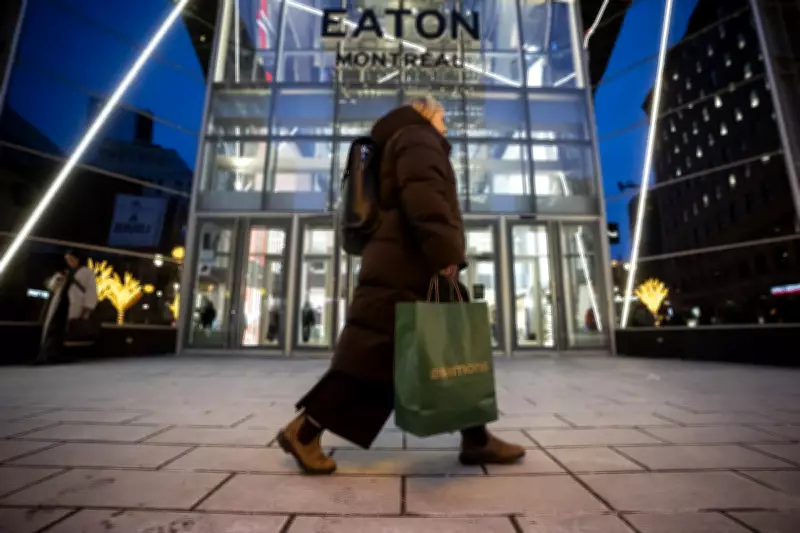
Quebec Moves to Extend Weekend Retail Operating Hours
The province of Quebec is preparing to implement new regulations that will allow retail stores to remain open later on weekends, a significant shift in the region's commercial landscape. This policy change, announced recently, aims to provide greater flexibility for consumers and potentially stimulate economic activity during peak shopping periods. However, the decision has not been universally welcomed, with some stakeholders expressing reservations about its implications.
Details of the New Retail Hours Policy
Under the forthcoming rules, retail establishments across Quebec will have the option to extend their operating hours on Saturdays and Sundays. Previously, strict closing times limited late-night weekend shopping, but the updated framework seeks to modernize retail operations in response to evolving consumer habits. The move aligns with trends in other provinces, where extended hours have become more common, especially in urban centers like Montreal.
Proponents argue that this change will enhance convenience for shoppers, allowing them to visit stores at more flexible times after work or during evening outings. It could also boost sales for retailers, particularly in sectors like fashion, electronics, and groceries, by capturing additional foot traffic. Economic analysts suggest that extended hours might help small businesses compete with larger chains and online retailers, which often operate around the clock.

Concerns and Criticisms from Various Groups
Despite the potential benefits, not everyone is enthusiastic about the extended hours. Worker advocacy groups have raised concerns about the impact on employees, who may face longer shifts, disrupted work-life balance, and increased stress. There are fears that this could exacerbate issues like burnout, especially for part-time or hourly workers who rely on predictable schedules.
Additionally, some small business owners worry about the financial and logistical challenges of staying open later. Increased operational costs, such as higher utility bills and staffing expenses, could strain budgets, particularly for independent retailers already grappling with competition. Critics also question whether consumer demand justifies the change, noting that many shoppers prefer daytime hours or online alternatives.
Broader Context and Implementation
This policy shift comes amid broader discussions about retail regulations in Quebec, which has historically maintained stricter rules compared to other Canadian provinces. The government has indicated that the changes will be phased in gradually, with provisions for local municipalities to adjust based on community needs. For example, areas with high tourist traffic, like downtown Montreal, might see more immediate adoption, while rural regions could proceed more cautiously.
Public opinion appears divided, with some residents welcoming the added convenience, while others express nostalgia for traditional closing times that promote family time and local culture. As Quebec moves forward with this initiative, stakeholders will be closely monitoring its effects on commerce, employment, and community life. The success of the extended hours may hinge on how well it balances economic growth with social considerations, ensuring that both businesses and workers benefit from the new flexibility.