Regina City Council to Re-examine Punitive Taxation for Problem Properties
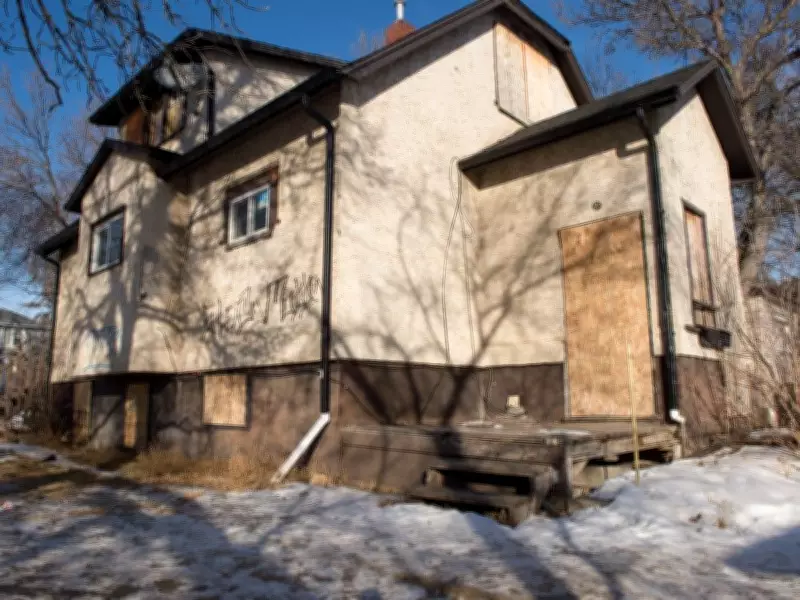
Regina city councillors are preparing to revisit a contentious proposal that would impose significantly higher taxation rates on derelict and nuisance properties throughout the city. This renewed discussion comes as municipal leaders seek effective solutions to combat urban blight and address long-standing community concerns about vacant buildings in core neighborhoods.
Administrative Report Returns for Council Consideration
The executive committee will reconvene this Wednesday to examine a detailed report from city administration that was initially tabled last fall. This document outlines potential new measures designed to incentivize property owners to maintain or redevelop problematic buildings rather than leaving them boarded up and vacant for extended periods.
According to the report, the proposed approach would involve creating new property subclasses specifically for chronically vacant or derelict buildings, similar to a system already implemented in Edmonton. These properties would then face substantially higher tax rates as a financial disincentive against neglect.

Core Neighborhoods Push for Action
Residents in areas like North Central and Heritage have been advocating for municipal intervention regarding derelict houses for several years. Community members argue that these vacant properties create significant safety hazards, including increased fire risks and potential sites for criminal activity that undermine neighborhood stability.
"Ultimately what it's about is to stop making it so agreeable to do nothing," explained Andrew Stevens, the former city councillor who originally drafted the motion that prompted the administrative review. His perspective highlights the fundamental goal of the proposed policy changes: to transform property neglect from a financially viable option into an economically burdensome one.
Administration Recommends Alternative Approach
When city councillors last considered this proposal in November, administration officials recommended rejecting the taxation changes. Their position was based on data suggesting that a more proactive approach to bylaw enforcement, adopted in 2024, was already producing measurable results in addressing problem properties.
The City of Regina reportedly tripled demolitions of nuisance properties between 2022 and the fall of 2025, increasing from 14 to 45 annually. The majority of these demolitions occurred in Ward 3, indicating targeted progress in some of the most affected areas.
Resource Concerns and Budgetary Implications
Chief financial officer Daren Anderson raised practical concerns about implementing the proposed taxation changes. He noted that creating new property classes would require additional staff resources for property inspections and to handle potential appeals from affected property owners.
This resource requirement presented timing challenges, particularly as the city council was preparing for historic mill rate discussions for the 2026 budget. These concerns led councillors to table the report until after December's budget deliberations, allowing for fresh consideration of any new budgetary requests that might emerge during discussions.
Downtown Parking Lots Included in Discussion
The proposed measures extend beyond residential properties to include downtown parking lots, reflecting the city's broader urban development concerns. With nearly one-third of Regina's downtown consisting of surface parking, municipal leaders are examining how taxation policy might encourage more productive land use in the city center.
This comprehensive approach acknowledges that urban blight manifests in multiple forms, from boarded-up houses in residential neighborhoods to underutilized commercial properties in the downtown core.
Balancing Enforcement and Incentives
The ongoing debate at Regina City Hall represents a fundamental policy question: should municipalities focus primarily on enforcement measures to address problem properties, or should they implement financial disincentives through taxation policy? The current discussion suggests council members are seriously considering a hybrid approach that might incorporate elements of both strategies.

As the executive committee prepares to revisit this issue, the outcome could establish important precedents for how Regina addresses urban decay and promotes neighborhood revitalization through municipal policy tools.