Rental Apartments Dominate 2025 Housing Starts as Ownership Builds Decline
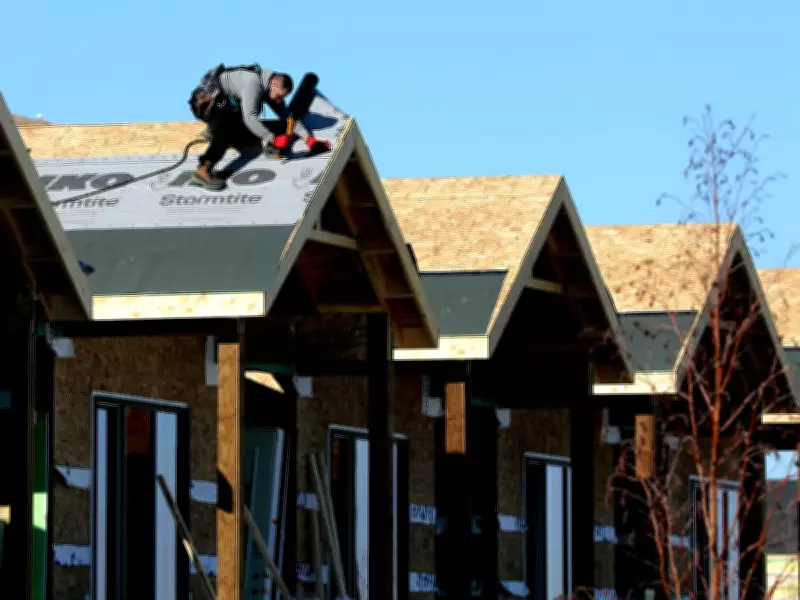
In a significant shift for Canada's housing market, rental apartments emerged as the leading category of new builds in 2025, while construction geared toward homeownership experienced a notable decline. This trend, detailed in the latest Housing Supply Report from the Canada Mortgage and Housing Corporation (CMHC), highlights a changing pipeline that could limit future buying options for Canadians.
Record Rental Construction Drives Overall Growth
Housing starts across Canada increased by six percent in 2025, reaching a total of 259,000 units. This growth was largely propelled by unprecedented levels of rental construction in key urban centers. Calgary, Edmonton, Ottawa, Halifax, and Montreal all saw record rental starts, while Toronto recorded its second-highest level ever. The number of rental units under construction nationwide was nearly double the ten-year average, leading to higher vacancy rates and a moderation in rent increases.
Tania Bourassa-Ochoa, deputy chief economist at CMHC, commented on the findings, stating, "On the surface, housing starts last year were quite strong, outpacing annual starts in 2024 and led by historic levels of rental starts and completions."
Shift in Development Focus
The report also noted a ten percent increase in so-called 'missing middle' housing in 2025 compared to the previous year, continuing an upward trajectory that began in 2018. In Calgary and Edmonton, approximately sixty percent of new construction fell into this category, primarily consisting of rows and townhouses. In Toronto, the share was around fifty percent, driven mainly by conversions—a faster and more cost-effective method to augment housing supply.
However, these gains in purpose-built rentals were offset by a shortage of family-sized, ground-oriented construction, which CMHC warns jeopardizes the future supply of homes designed for ownership. Data from the report indicated that the collapse of condominium presales in several major markets has made it increasingly difficult for developers to initiate new condo projects. "When completed units don’t sell, lenders restrict credit, and developers delay or cancel new projects," the report explained.
Market Forces Driving the Change
Developers are increasingly shifting their focus to rental units due to a combination of factors, including persistently high construction costs, softer demand, and growing inventories of unsold homes. This strategic pivot results in fewer ownership-oriented builds, placing additional pressure on the overall future housing supply.
In Toronto, rental construction has surpassed condo development for the first time this century. Across the city's census metropolitan area, developers are moving away from large ownership projects exceeding 100 units toward lower-risk ventures, such as buildings with three to five units.
Derek Goring, chief executive of Northcrest Developments, elaborated on this trend, noting, "Most developers are shifting to rental out of necessity, because there is currently no presale market for condominiums." He added that much of the condo supply built over the past two decades has ultimately been utilized as rental housing by investor owners.
Completions Remain Elevated
Completions of housing projects continue to be historically high, as many developments launched during the pandemic-era housing boom are now reaching completion. This influx of new units contributes to the current dynamics in the market, further emphasizing the shift toward rental-focused construction.
As Canada navigates these evolving trends, the balance between rental and ownership housing remains a critical factor in addressing the nation's ongoing affordability challenges and ensuring a diverse range of housing options for all residents.