A new housing assessment has delivered a stark message for Bruce County: the region must significantly accelerate its pace of construction to keep up with projected demand. According to the report, more than 4,000 new homes will be needed across the county over the coming decade to accommodate population growth and changing demographics.
A Decade of Demand: Understanding the Housing Target
The analysis, which forecasts needs up to the year 2036, outlines a clear and pressing challenge for municipal planners and developers. The figure of 4,000-plus units represents a substantial increase in building activity for the region, which includes communities like Port Elgin, Saugeen Shores, and Kincardine. This target is not merely a suggestion but a necessary response to demographic shifts, inward migration, and the natural need for housing renewal.
The report implies that current construction rates are insufficient to meet future needs. Meeting this goal will require a coordinated effort involving zoning approvals, infrastructure investment, and partnerships with the private development sector. The housing mix is also a critical consideration, with likely demand spanning from single-family homes to multi-unit dwellings suitable for seniors, young families, and workers.

Local Context and Construction Landscape
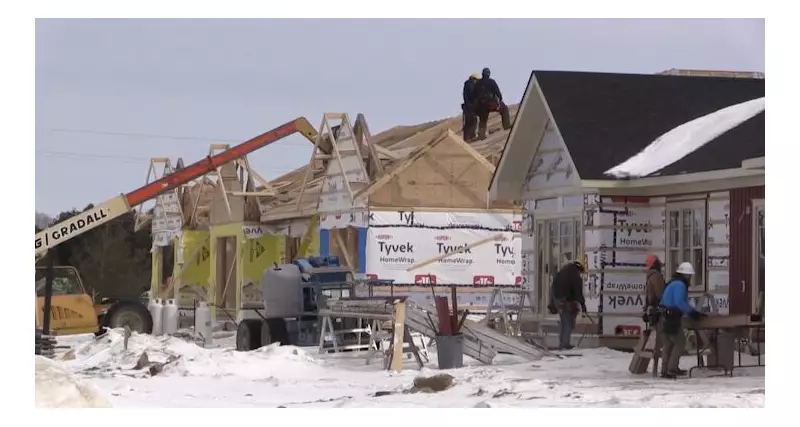
The housing discussion in Bruce County is not happening in a vacuum. The report's release comes amidst visible construction activity in areas like Port Elgin, where new subdivisions and residential projects have been rising. However, the scale outlined by the report suggests that what is currently being built is just the beginning.
Factors contributing to the demand include the county's appeal as a destination for retirees, the economic stability provided by the Bruce Power nuclear facility, and the enduring attractiveness of the Lake Huron shoreline. These elements combine to create steady pressure on the housing market, pushing prices upward and shrinking vacancy rates.
Implications for the Future of Bruce County
Failing to address this housing shortfall could have wide-ranging consequences for the region. A lack of available and affordable housing can stifle economic growth by making it difficult for employers to attract workers. It can also place undue financial stress on existing residents and alter the social fabric of small communities.
Successfully adding over 4,000 homes will necessitate careful planning around essential services like water, sewage, schools, and healthcare. Municipal leaders will face the dual challenge of encouraging growth while preserving the character and environmental integrity that make Bruce County a desirable place to live. The report serves as a crucial roadmap, highlighting the urgent need for strategic action to ensure the region's long-term vitality and livability.