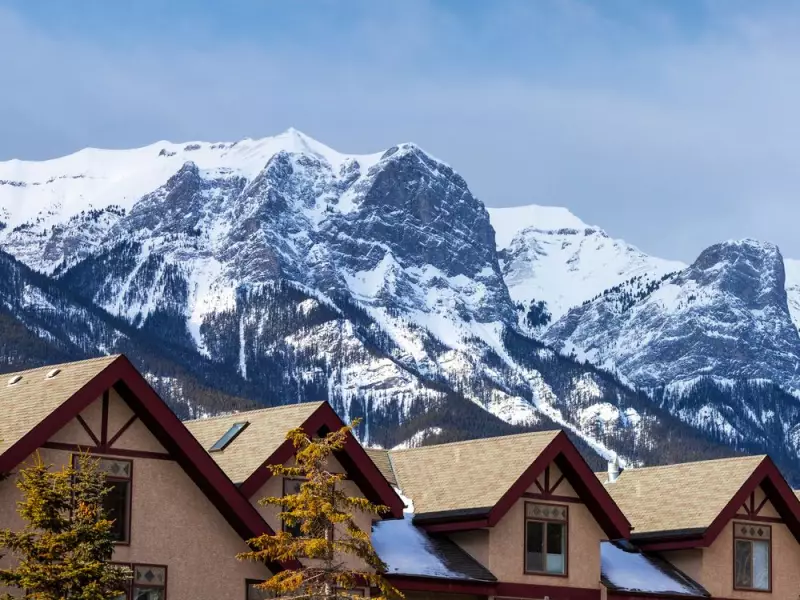
Canada's recreational real estate market is defying national trends as ski towns across the country experience a significant rebound, driven by a growing "Buy Canadian" movement and shifting travel preferences. According to Royal LePage's 2025 Winter Recreational Property Report, this surge comes despite overall economic uncertainty affecting urban markets.
Ski Towns See Widespread Growth
Real estate agents in 16 of Canada's 18 largest ski destinations have reported increased sales activity, with only two markets—Canmore, Alberta and Mont-Sainte-Anne, Quebec—showing declines. The data reveals a notable shift in buyer behavior as Canadians increasingly choose domestic vacation options over international travel.
Phil Soper, Chief Executive of Royal LePage, explained the trend in a recent statement: "Modest interest rate relief and a growing 'Buy Canadian' mindset helped reignite demand for slopeside chalets and mountain retreats. With relations between Canada and the U.S. running cool, more Canadians are choosing to spend their winter vacations at home."

Multiple Factors Driving the Surge
The report identifies several key factors contributing to the recreational property rebound. Among Royal LePage agents specializing in recreational areas, 47 percent reported increased demand this year, indicating a robust recovery in this specific market segment.
Soper emphasized the appeal of domestic destinations, noting that "domestic destinations are benefiting as travel habits shift and people look for escapes that feel close, comfortable and truly Canadian." This sentiment appears to be driving both purchasing decisions and vacation patterns.
The cross-border dynamic extends beyond domestic buyers. Interestingly, 27 percent of Royal LePage agents have observed increased demand from U.S.-based buyers, which Soper attributes to the favorable exchange rate between the two countries.
American Property Owners Looking North
The report reveals significant shifts in cross-border property ownership. According to the findings, 54 percent of Canadians who own property in the United States are considering selling within the next year. Among those contemplating sales, 62 percent cite the political climate in the U.S. as their primary motivation.
This potential exodus from American properties could further boost Canadian recreational markets, as 32 percent of those planning to sell their U.S. properties intend to reinvest in Canadian real estate. The trend suggests a substantial reallocation of investment capital toward domestic recreational properties.
Soper highlighted another advantage for international buyers: "Recreational properties are generally exempt from Canada's foreign-buyer restrictions, which adds another layer of appeal for U.S. purchasers exploring seasonal retreats north of the border."
Market Performance and Future Outlook
While Canada's broader real estate market remains stagnant amid economic uncertainty, recreational properties have emerged as a bright spot. Home prices in recreational markets have increased by 3.8 percent year-over-year through the first three quarters of 2025, reaching an average price of $982,000.
Soper explained the resilience of recreational markets: "The stability in the recreational market comes from the financial flexibility of those looking for a second home and because limited new construction in recreational areas keeps demand high."
The early winter season has provided additional momentum, with Soper noting that "the early snowfall has set a strong tone for the season ahead. Canada's recreational markets remain remarkably strong, driven by steady demand for ski and mountain properties and the growing desire for seasonal homes that offer relaxation, adventure and connection to nature."

Looking forward, Soper expressed optimism about the continued strength of recreational markets: "While economic uncertainty continues to weigh on many urban markets, buyers seeking winter escapes are pushing ahead, demonstrating once again the resilience and enduring appeal of Canada's recreational regions. With resorts gearing up for what's expected to be an active season, momentum in these markets is expected to build."