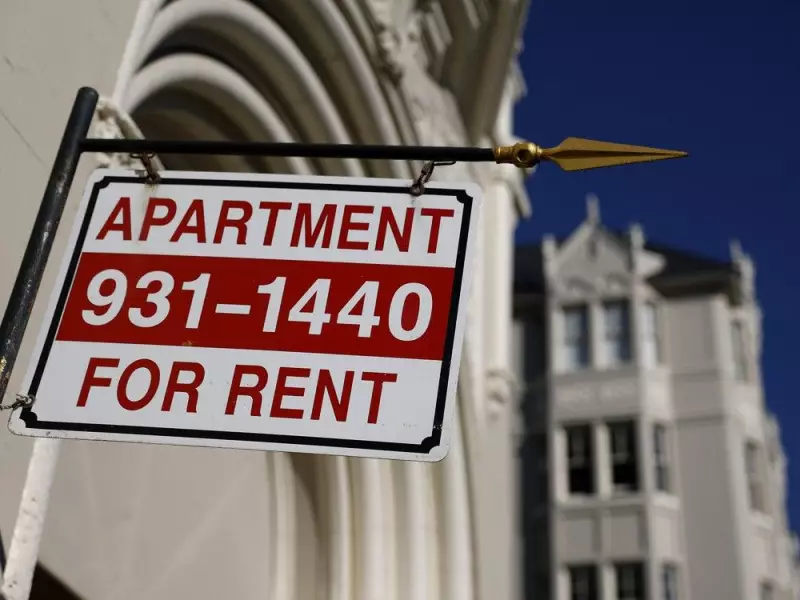
Imagine your landlord shows up with a letter offering you money to move out. This scenario, known as a 'Cash for Keys' deal, is becoming more common across Canada. For tenants like Mary, who received such an offer in late December 2025, it raises critical questions about rights, obligations, and the pressure to vacate a long-term home.
Understanding Your Rights: The N11 Form is Not Mandatory
In the described situation, Mary's landlord presented her with an N11 form—the Agreement to End the Tenancy—and suggested she sign it immediately or face eviction by month's end. Jeff Wilkins, a licensed paralegal with the Chatham-Kent Legal Clinic, emphasizes a crucial fact: a tenant cannot be forced to sign this document. Mary, who has lived in her unit for four years, has the right to seek independent legal advice before making any decision.
Signing under pressure, or duress, can invalidate the agreement. Tenants who feel coerced should seek legal help immediately. It is vital to understand that a proper eviction requires the landlord to serve official notice from the Landlord and Tenant Board (LTB) and follow the legal processes outlined in the Residential Tenancies Act. A Cash for Keys proposal is an alternative route, not a legal eviction notice.

The Risks and Considerations of Accepting a Deal
While a Cash for Keys agreement is not illegal, some landlords use it to bypass the formal LTB process and gain vacant possession more quickly. For tenants, accepting such a deal carries significant financial risks. If you have occupied a unit for several years, your current rent is likely below market value. Terminating your tenancy voluntarily could mean facing dramatically higher rents in a competitive and expensive rental market, where finding affordable housing is extremely difficult.
The N11 form allows both parties to agree on a termination date. However, Wilkins notes that an N11 cannot be signed at the beginning of a tenancy; such a pre-emptive agreement is void. All lease obligations end on the agreed termination date. Tenants must remove all belongings by that date, as landlords may dispose of leftover items without recourse.
Critical Steps If You Receive an Eviction Order
An N11 agreement is powerful because, once signed, a landlord can file it with the LTB to obtain an eviction order without a hearing. If a tenant receives an eviction order under these circumstances, acting swiftly is paramount. The tenant has only 10 days after the order is issued to file a request for a review and a stay of the eviction. The LTB may grant exceptions after this period, but only under compelling circumstances.
For tenants sharing a rental, all joint tenants must be identified and sign the N11 for it to be enforceable. If you are facing a Landlord and Tenant Board matter, seeking professional housing law advice is essential. Resources like Legal Assistance of Windsor or the Chatham-Kent Legal Clinic can provide guidance.
As rental markets remain tight, understanding these legal nuances protects tenants from unfair pressure. Knowing that signing an N11 is a voluntary, negotiable decision—not an obligation—empowers renters to make informed choices about their housing future.