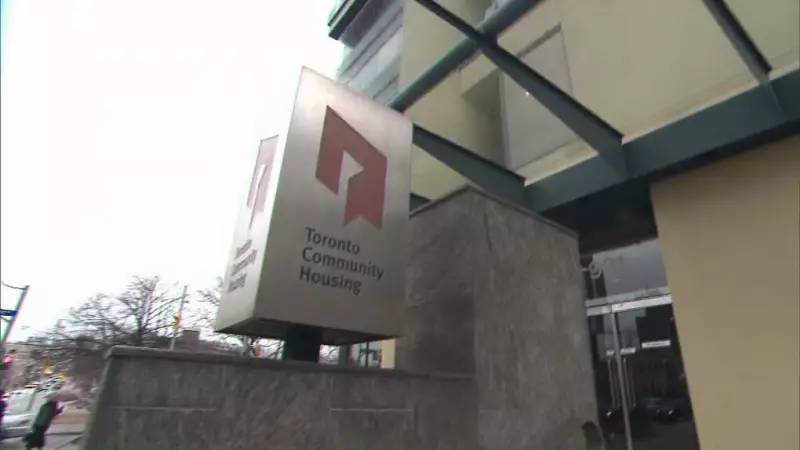
Evictions from Toronto Community Housing (TCH) properties have climbed to their highest point in ten years, according to recent data. This sharp increase has ignited significant concern among housing advocates and community leaders, who are now demanding greater leniency and enhanced support measures for tenants facing removal from their homes.
A Decade-High Crisis in Social Housing
The latest figures reveal a troubling peak in the number of eviction proceedings initiated by Toronto's primary social housing provider. This marks the most severe level of tenant displacement seen within the TCH system in a decade. The surge points to a deepening crisis within the city's affordable housing sector, where vulnerable residents are increasingly at risk of losing their shelter.
The data, current as of early 2026, underscores a persistent and growing challenge in one of Canada's largest and most expensive urban centres. While specific numerical totals were not detailed in the initial report, the characterization of a "10-year high" confirms a clear and negative trend over the past several years.

Advocates Push for Policy Reform and Compassion
In response to the alarming statistics, tenant advocacy groups, legal aid organizations, and some city councillors are amplifying calls for a more compassionate and preventative approach. They argue that many evictions stem from issues like accumulated arrears due to sudden job loss, health crises, or bureaucratic delays in receiving social assistance, rather than wilful negligence or damage.
These stakeholders are urging Toronto Community Housing and all levels of government to implement stronger safeguards. Proposed measures include:
- Expanding access to emergency rental support funds to help tenants in temporary financial distress.
- Mandating more rigorous eviction diversion programs that prioritize mediation and payment plans.
- Increasing funding for tenant support workers who can connect residents with social services before issues escalate to eviction hearings.
The fundamental plea is for a system that views eviction as a last resort, not a first response, recognizing the profound human cost and the immense difficulty of finding alternative affordable housing in Toronto's tight rental market.
The Broader Context of Toronto's Housing Woes
This eviction crisis does not exist in a vacuum. It is set against the backdrop of a severe city-wide shortage of affordable housing, with waitlists for social housing stretching for years. When a tenant is evicted from a TCH unit, their options are extremely limited, often leading to homelessness, overcrowding with family, or reliance on the city's overburdened shelter system.
The situation places additional pressure on municipal resources and contradicts broader public policy goals of housing stability and poverty reduction. The high rate of evictions signals a potential failure in the support infrastructure designed to keep the city's lowest-income residents housed securely.
As the news circulates, public pressure is mounting on elected officials and TCH management to address the root causes. The coming months will be critical in determining whether policy adjustments and a renewed focus on tenant retention can reverse this decade-long peak and provide more security for thousands of Toronto families.