Toronto is embarking on an ambitious urban transformation that will see new shops and cafes opening on residential streets across various neighborhoods. The initiative, described as "trying to create access in all 200 Torontos," aims to bring commercial amenities closer to residential areas while preserving community character.
Revitalizing Neighborhood Commercial Spaces
The new policy represents a significant shift in Toronto's urban planning approach. Rather than concentrating commercial activity solely along major arterial roads, the city will now permit smaller-scale retail establishments to operate within residential zones. This move is designed to create more walkable communities and reduce residents' dependence on vehicles for everyday shopping needs.
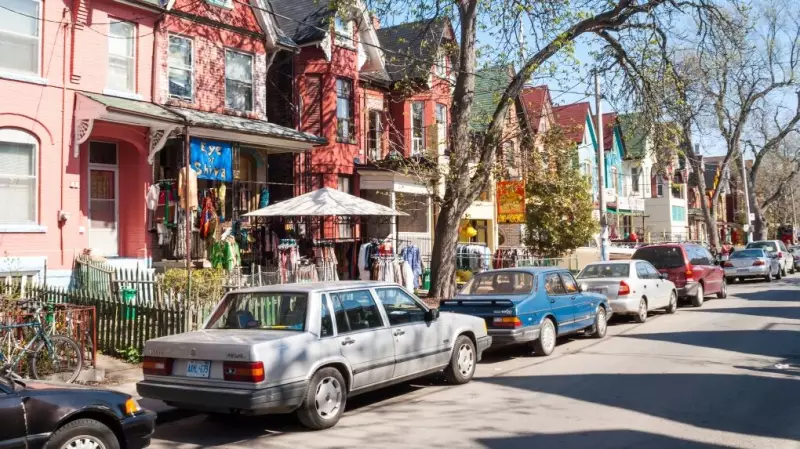
The changes are scheduled to begin implementation in November 2025, with Kensington Market serving as an inspiration for the type of mixed-use environment the city hopes to foster. The historic neighborhood has long demonstrated how residential and commercial uses can successfully coexist, creating vibrant, pedestrian-friendly spaces that maintain their unique character.

Balancing Community Needs and Development
City planners emphasize that the expansion will be carefully managed to ensure it complements rather than overwhelms residential neighborhoods. New commercial establishments will be subject to size limitations and operating conditions designed to maintain the quality of life for nearby residents.
The approach recognizes that Toronto consists of many distinct communities, each with its own identity and needs. By allowing commercial development to adapt to local contexts, the city hopes to create what officials describe as "200 different Torontos" - each with appropriate commercial services integrated into residential areas.
This initiative comes as Toronto continues to grapple with questions about urban density, transportation, and community accessibility. The COVID-19 pandemic accelerated trends toward local shopping and neighborhood-based services, making the timing particularly relevant for such policy changes.
Implementation and Community Response
While specific neighborhoods that will see the first wave of new shops and cafes haven't been fully detailed, the program is expected to roll out gradually across the city. Community consultation will play a crucial role in determining where and how new commercial spaces are introduced.
The changes could provide opportunities for small business owners and local entrepreneurs to establish themselves in areas previously off-limits to commercial activity. This might include everything from corner cafes and small grocery stores to boutique retail shops and service providers.
As Toronto continues to grow and evolve, this new approach to mixed-use development represents an innovative strategy for creating more complete neighborhoods where residents can live, work, and shop within walking distance of their homes.