Controversial Plan to Reshape Toronto Neighbourhoods Makes a Comeback
A sweeping proposal that could permit bars, cannabis retailers, and other small businesses to operate in residential areas across Toronto has returned to City Council, reigniting a fierce debate that began last year. Despite a year of study and public consultation, critics argue the fundamental concerns raised by residents have gone largely unaddressed.
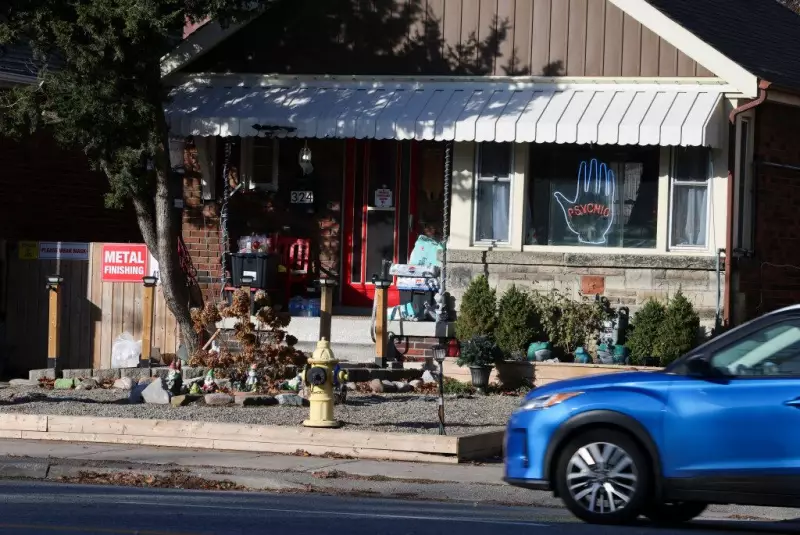
The proposal, which council will consider for a second time, would allow small-scale commercial operations on properties currently zoned exclusively for residential use. Proponents, including some city councillors, argue that embedding businesses like cafes, art galleries, and pet groomers within neighbourhoods will enhance walkability and sustainability.
Unchanged Core and Unanswered Concerns
However, for community advocates like Nicole Tataj of the Beaconsfield Village Residents Association, the revised plan offers little comfort. "It is absolutely the same thing," Tataj told the Toronto Sun. She points out that only two minor changes have been made since the plan was sent back to planners in late 2024.

The most significant alteration was the removal of patios, alleviating fears of noisy outdoor bar patrons. The other change involved reclassifying some roads as "community streets," which critics say does not alter the proposal's core impact. The major sticking point remains unchanged: provincial law dictates that any retail space permitted under the new rules could also sell alcohol or cannabis, as the city lacks the authority to restrict the type of shop that opens.
Councillor Frances Nunziata, who successfully moved an amendment requesting Ontario's attorney general to change the liquor and cannabis laws, previously described the concept as a potential "nightmare." She expressed frustration that the report fails to clearly articulate the benefits of the plan for Toronto residents.
Overwhelming Opposition from Residents
The opposition is not merely anecdotal. While a city-conducted survey this year found half of respondents were open to a more permissive system for retail, an independent poll tells a different story. A study distributed by the Coalition of Toronto Residents' Associations and answered by approximately 3,400 respondents found that 90% oppose changing zoning rules to allow businesses within neighbourhoods.
Residents cited a consistent list of worries, including:
- Increased traffic and parking problems
- Noise, garbage, and potential crime
- The loss of residential character and the fear of living in a "strip mall"
One respondent captured a common sentiment, writing, "I live on a major street. I live in my home with homes on either side of me. I don't want to be living in a strip mall."
A City Divided on its Future
Despite the vocal opposition, some councillors are warming to the idea. At last month's planning and housing committee meeting, Councillor Josh Matlow voiced his enthusiasm, citing examples of successful neighbourhood businesses from cities around the world. "They are a wonderful hub in neighbourhoods that contribute to people's quality of life," he said.
Yet, Tataj and others argue the city is ignoring practical realities. They point to existing vacant storefronts throughout Toronto that are already available for lease. Furthermore, they highlight that the city already has a mechanism—the zoning adjustment process—to allow businesses in neighbourhoods on a case-by-case basis if they are deemed a good fit.
Enforcement is another key concern. Tataj questions how the city, which already struggles with bylaw enforcement, will manage the scattered proliferation of new businesses. "They haven't addressed the issues that our residents had," she stated, emphasizing that the inability to control what kind of business opens next to a home remains the plan's fundamental flaw.
As the proposal heads to City Council for a decisive vote, it represents a critical juncture for the future of Toronto's neighbourhoods, pitting a vision of vibrant, mixed-use communities against the desire for peaceful, predictable residential streets.