In a stark reflection of Vancouver's deepening housing affordability crisis, renters are taking increasingly desperate measures to secure a roof over their heads. Many are now agreeing to share a single bedroom with complete strangers they meet online, often forfeiting their basic rights as tenants in the process.
From Cameroon to a Shared Basement Room
Hansley Ambia, a 35-year-old who arrived from Cameroon in May 2024 to work and study, experienced this precarious reality firsthand. He initially rented a room for $700 per month in a three-bedroom basement suite on King Edward Avenue. The conditions were poor from the start, featuring black mould in the bathrooms, peeling walls, and a persistent water leak from the unit above.
His situation deteriorated drastically just two months later. Ambia claims the man he believed to be his landlord, Oscar Pelaez Aguilar, informed him that his rent would nearly double. The alternative? He would have to share his already cramped room with another person. Unable to afford the hike, Ambia reluctantly accepted a stranger into his personal space.

"That’s how someone moved into the room, and I was sharing the room with a total stranger," Ambia recounted. He later discovered Pelaez Aguilar was not the property owner but a "head tenant" who found occupants and collected rent for Sunwise Property, the management company representing the actual owner.
The Legal Grey Zone of "Occupants"
This arrangement placed Ambia in a vulnerable legal position. By renting from a head tenant, he was classified as an "occupant" or "roommate" under British Columbia's Residential Tenancy Act (RTA). This status strips individuals of standard protections: they have no defense against sudden rent increases, no protection from eviction without cause, and no legal recourse to demand essential repairs or maintenance from the property owner.
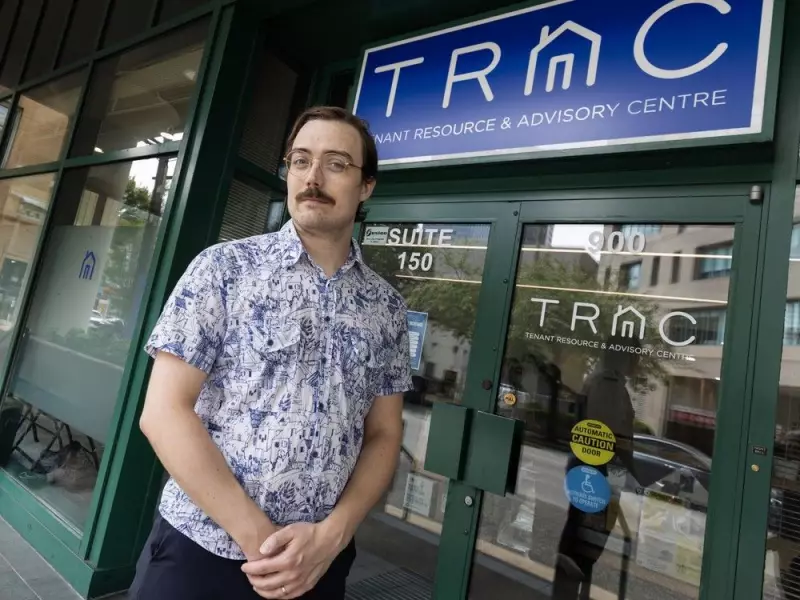
Robert Patterson, a lawyer with the Tenant Resource and Advisory Centre (TRAC), confirms this is a growing trend. He states that renters are being "pressured, pushed and forced" into ever more precarious living situations due to skyrocketing rents. "At the extreme end of the process," Patterson notes, they are agreeing to share a bedroom, often with someone they just met online.
Online Listings Reveal a Disturbing Trend
The scale of this issue is visible on popular online marketplaces. A recent search by Postmedia found over 60 advertisements for shared rooms in Metro Vancouver on platforms like Craigslist and Facebook Marketplace, up from 35 just weeks earlier. These listings often promote bunk beds, three beds in a single room, or even offers to share one bed with a stranger. Monthly rents for these shared spaces typically range from $400 to $600.
While Statistics Canada does not specifically track shared bedrooms, its 2022 data indicated that nearly 12 per cent of Vancouver's 472,900 renter households lived in "unsuitable" housing. Suitability, defined by the National Occupancy Standard, requires separate bedrooms for adults (except couples) and a maximum of two people per bedroom for other occupants.
This data aligns with the growth of roommate households, which are now the fastest-growing household type in Vancouver. Their numbers increased by 15 per cent from 2016 to 2021, rising from 20,720 to 23,825 households, signaling a fundamental shift in how people are forced to cope with the city's unaffordable housing market.
The situation highlights a critical gap in tenant protections and underscores the severe human impact of Vancouver's housing shortage, pushing individuals into risky and substandard living conditions simply to stay in the city.