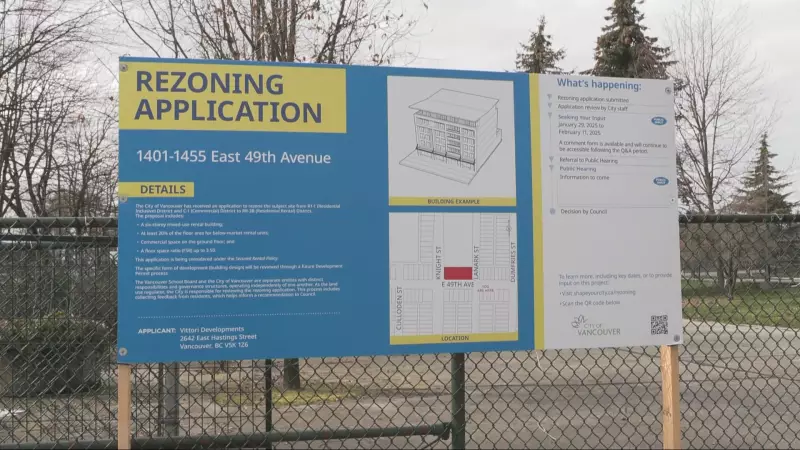
Vancouver City Council has made a controversial decision that is drawing close examination from parents and community members across the city. Council members voted to rezone land currently occupied by an elementary school to allow for the construction of apartment buildings.
The Rezoning Decision
The vote took place on November 14, 2025, and represents a significant shift in urban planning policy for the growing city. The decision involves converting publicly owned educational land to residential use, specifically for multi-unit apartment developments.
Parents of children attending the affected elementary school have expressed concerns about the implications of this decision. Many are questioning how the loss of school land might impact educational facilities, playground space, and the overall learning environment for students.

Community Reaction and Scrutiny
The council's decision has sparked immediate reaction from the community, with parents taking a particularly close look at the ramifications. The scrutiny focuses on several key areas including potential overcrowding in schools, loss of green space, and the long-term impact on neighborhood character.
This move comes as Vancouver continues to grapple with housing affordability issues and population growth pressures. The council's decision reflects the ongoing tension between preserving community amenities and addressing the city's housing needs.
Broader Implications
The rezoning of school property for residential development sets a precedent that could influence future urban planning decisions across the region. City planners and policymakers will be watching how this decision affects both the educational infrastructure and housing availability in the area.
As Vancouver continues to evolve, balancing the needs of current residents with future growth demands remains a complex challenge for city leadership. The outcome of this rezoning decision will likely inform similar debates in other Canadian municipalities facing comparable development pressures.